
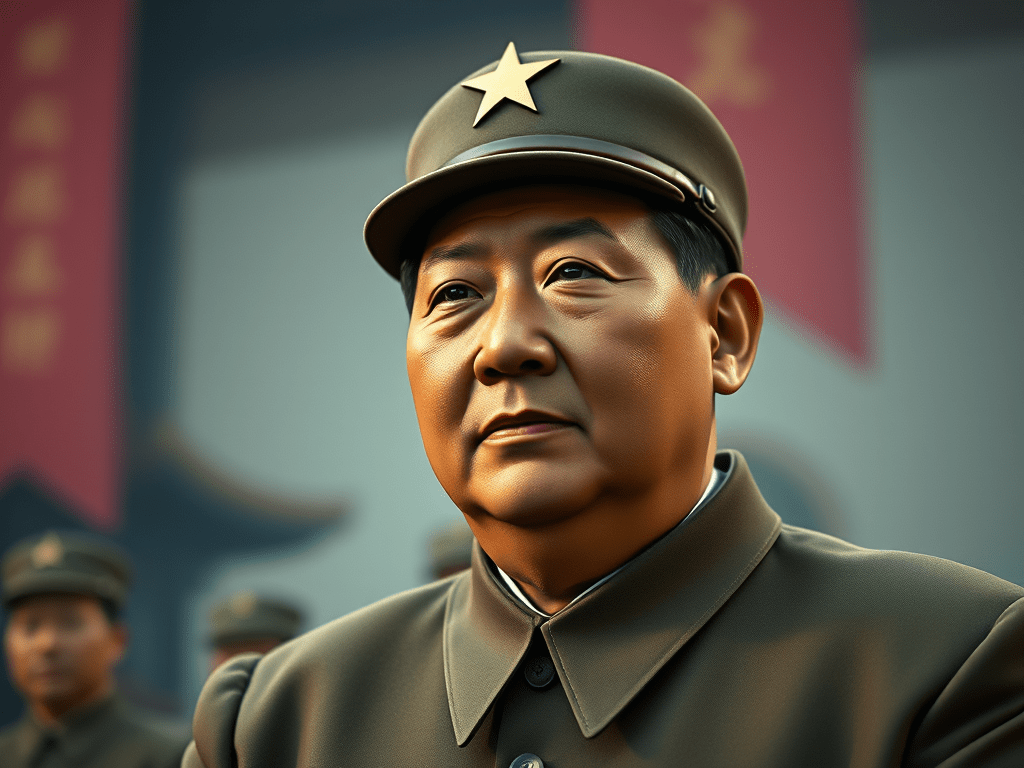
The Chinese Civil War (1927-1949) was a transformative period. It reshaped China and paved the way for the rise of Mao Zedong. This also led to the establishment of the People’s Republic of China. For GCSE and A-Level history students, this event is not only crucial for understanding China’s modern history. It also serves as an excellent case study of revolution. It covers ideology and the dynamics of power.
In this blog, we’ll explore the origins, key phases and consequences of the Chinese Civil War. We will also examine Mao Zedong’s role in leading the Chinese Communist Party (CCP) to victory. Let’s delve into the key elements of this conflict and how it reshaped China’s political landscape.
Follow us on Instagram, Facebook and LinkedIn.
1. Origins of the Chinese Civil War
The Chinese Civil War was rooted in the political turmoil of early 20th-century China. After the fall of the Qing dynasty in 1911, China was left in a power vacuum. Various factions vied for control. Two major forces emerged:
- The Kuomintang (KMT), led by Chiang Kai-shek, sought to unify China under a nationalist government. Initially, they had the support of the CCP.
- The Chinese Communist Party (CCP), led by Mao Zedong, promoted a communist ideology inspired by Marxism. It focused on the peasantry as the revolutionary class.
The alliance between the KMT and CCP fell apart in 1927 during the Northern Expedition. Chiang turned on the communists. This resulted in a bitter and prolonged civil war.
Subscribe to get access
Read more of this content when you subscribe today.


Leave a comment