
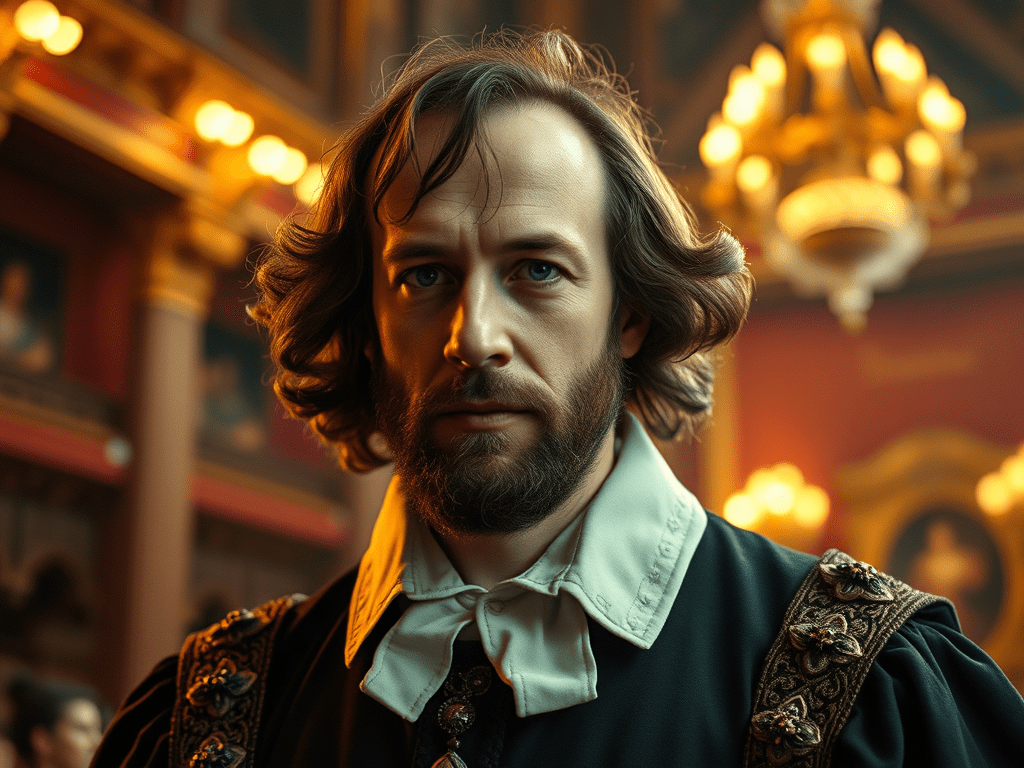
During the reign of Elizabeth I, England experienced a cultural renaissance. This period has come to be known as the “Elizabethan Golden Age.” This period marked a significant development in English arts, literature and theatre. It was driven by the Queen’s patronage of the arts and her vision for England as a sophisticated cultural power. Notably, this era saw the rise of some of the greatest writers and artists in English history. Writers like William Shakespeare and Edmund Spenser emerged.
Follow us on Instagram, Facebook and LinkedIn.
Related | Elizabeth I and Religious Tensions: Navigating the Protestant-Catholic Divide
Key Events:
1. Patronage of the Arts:
Elizabeth I was a major supporter of the arts, and her court became a vibrant cultural hub. The Queen’s patronage encouraged the growth of the theatre, literature and the visual arts. The arts were not only a form of entertainment, they were also a means to glorify the Queen. They showcased England’s status on the global stage. Plays, poetry and paintings often carried themes that reflected national pride. These works also showed loyalty to the monarch. They highlighted England’s religious identity as a Protestant country.
2. The Rise of English Literature:
The Elizabethan period is synonymous with the flourishing of English literature. One of the era’s most influential figures was William Shakespeare, whose works captured the human experience with depth and complexity. His plays, including “Hamlet,” “Macbeth,” and “A Midsummer Night’s Dream,” are considered some of the greatest literary achievements in history. Another prominent figure was Edmund Spenser. His epic poem “The Faerie Queene” was dedicated to Elizabeth I. It celebrated her as a powerful, virtuous monarch.
3. The Theatre’s Growth and Influence:
Elizabethan theatre became a central part of English culture. Theatres such as The Globe in London gained immense popularity. Public performances of plays were attended by people from all walks of life. Shakespeare was the undisputed star of this golden age of theatre. Other playwrights like Christopher Marlowe also made significant contributions. The growth of theatre allowed literature to become accessible to a broader audience. This spread the influence of English culture beyond the elite.
Related | The Spanish Armada: How Elizabeth I defended England from Invasion
Impact:
The cultural advancements of the Elizabethan Golden Age had long-lasting effects on English identity and the development of Western arts. This period firmly established England as a cultural and intellectual power, with Elizabeth I at the helm of this transformation. Her patronage allowed for the arts to flourish. This flourishing of the arts has been celebrated for centuries. It has influenced generations of writers, artists and thinkers.
Related | Elizabeth I: Key Achievements, Impacts and Events
How Apollo Scholars Can Help:
For GCSE and A-Level students studying the Elizabethan era, understanding the cultural impact of Elizabeth I’s reign is crucial. We provide detailed insights into the major figures, works and artistic movements of the time.
Book your online or in-person session today.
Unlock our exclusive resources on our Mission Control hub.


Leave a comment