
On October 9, 2004, Afghanistan witnessed a historic moment. It held its first presidential elections. This marked a significant step toward democracy in the war-torn nation. After decades of conflict and instability, citizens could participate in a democratic process. This signified hope for a better future. This blog will explore the background leading up to these elections. It will also examine the role of Hamid Karzai. Finally, the blog will discuss the implications of this landmark event for Afghanistan and the broader region.
Follow us on Instagram, Facebook and LinkedIn.
The Context: From Conflict to Elections
The journey to the first presidential elections in Afghanistan began with the fall of the Taliban regime in 2001. This followed the U.S.-led invasion in response to the September 11 attacks. The Taliban’s rule had been characterised by severe oppression, particularly against women, and widespread human rights abuses. The international community recognised the need to establish a stable government in Afghanistan. This recognition led to the Bonn Agreement in late 2001. This agreement aimed to create a new Afghan government and laid the groundwork for democratic elections.
As the country began to rebuild, efforts were made to ensure that the elections were inclusive and representative. The United Nations played a crucial role in organising and overseeing the electoral process. Their goal was to foster stability and promote democratic governance.
Hamid Karzai: A Leader Emerges
Hamid Karzai, who had served as the interim president since 2001, emerged as a prominent figure during this transitional period. His leadership style and ability to navigate complex political dynamics earned him the support of various factions within Afghanistan. Karzai was a Pashtun from the southern province of Kandahar. His background helped him connect with a significant portion of the population.
In the lead-up to the elections, Karzai campaigned on a platform of national unity. He also focused on economic development. Another key point was the establishment of a secure environment for all Afghans. His commitment to rebuilding the country resonated with voters eager for change after years of turmoil.
A Historic Election Day
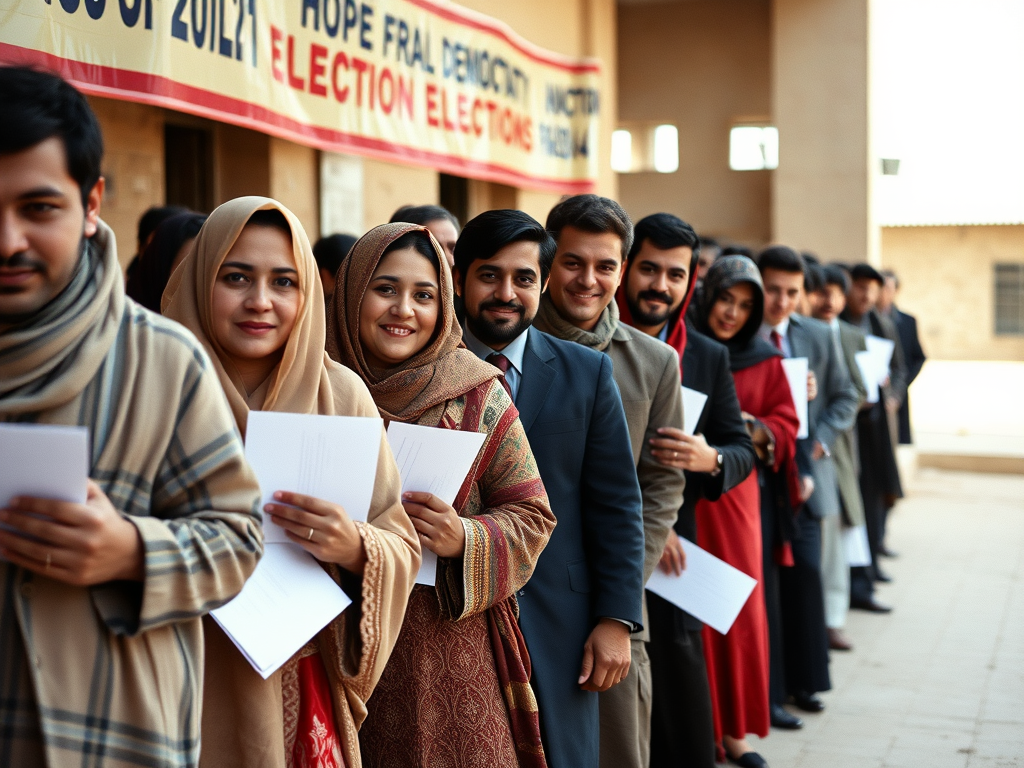
On election day, millions of Afghans defied threats of violence and logistical challenges to cast their votes. Citizens lined up at polling stations. Often, they were in their traditional clothing and had ballots in hand. This was a powerful symbol of hope and resilience. Despite concerns about security and the influence of warlords, the turnout was significant. Estimates indicate that over 8 million Afghans participated in the election.
The electoral process faced challenges. These included incidents of violence and accusations of fraud. However, the determination of the Afghan people to exercise their right to vote was evident. Ultimately, Hamid Karzai was declared the winner. He received approximately 55% of the votes. This solidified his position as the first elected president of Afghanistan.
Implications for Afghanistan and Beyond
The successful conduct of the presidential elections in 2004 was a pivotal moment for Afghanistan. It represented a break from the past. It was also a step towards democratic governance. The road ahead would be fraught with challenges, ongoing security issues and political instability. However, the elections provided a framework for future political participation. They also offered a sense of agency among the Afghan populace.
The elections also had broader implications for international relations and the perception of democracy in the region. A democratic process was successfully established in Afghanistan. This became a focal point for discussions about nation-building and governance in post-conflict societies. However, the subsequent years revealed the complexities of governance in Afghanistan. They highlighted the need for sustained international support and engagement.
Conclusion
The first presidential elections in Afghanistan in 2004 marked a historic turning point for the country and its people. The ability to vote in a free and fair election represented hope for a brighter future after years of conflict.
Book your online or in-person history tuition session here.
Unlock our exclusive resources in our Mission Control hub.
How Apollo Scholars can help
Book your online or in-person History tutoring session here.
Unlock our exclusive content in our Mission Control hub.
Find additional resources on historical topics here.

Leave a comment