
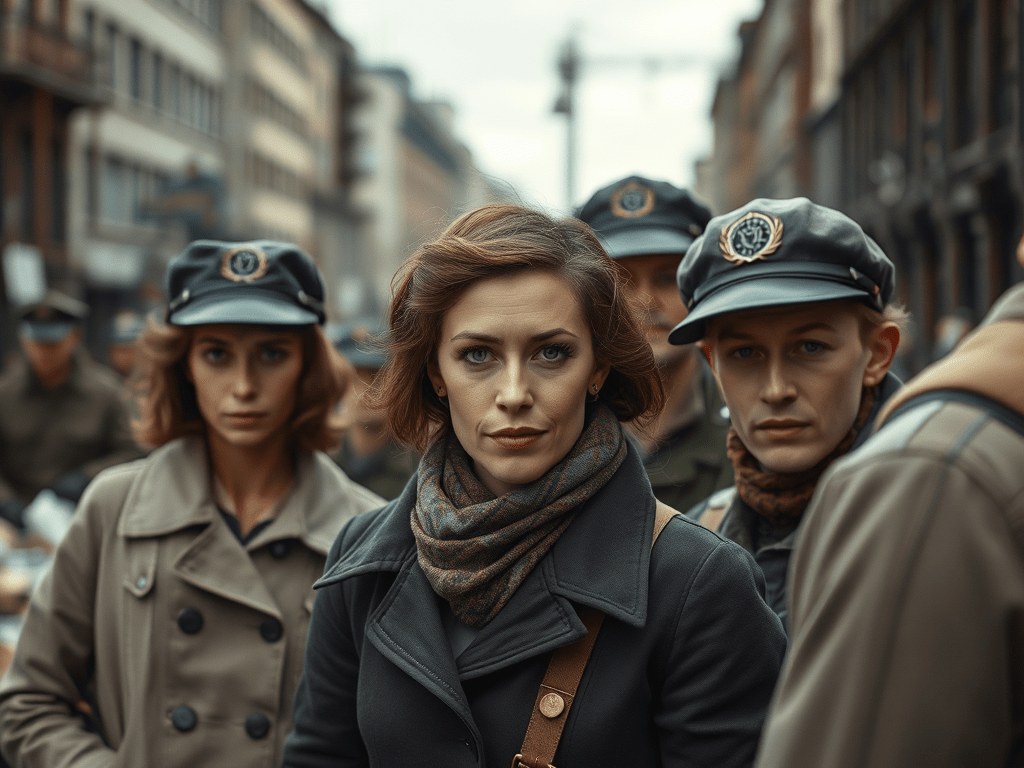
Introduction
The end of World War Two in 1945 marked a turning point for Germany and the world. Nazi Germany’s surrender left the country in physical, economic and moral ruins. Amidst the devastation, Germany faced the colossal task of rebuilding itself while confronting the atrocities committed under Adolf Hitler’s regime. The process of denazification was crucial. It aimed to rid the country of Nazi ideology. It also prosecuted war criminals and helped rebuild a democratic society. This blog explores Germany’s post-war reconstruction. It examines the denazification process. It sheds light on the social, political and economic challenges the country faced during this transformative period.
Follow us on Instagram, Facebook and LinkedIn.
FAQs
To help readers better understand Germany’s post-war reconstruction and denazification, we’ve compiled some frequently asked questions (FAQs). These FAQs cover important topics. They explain the purpose of denazification and its impact. They also discuss the key factors influencing Germany’s recovery after World War Two.
What was the goal of denazification in post-war Germany?
Denazification aimed to remove Nazi influence from German society. It sought to prosecute war criminals. It also promoted democratic values to rebuild Germany as a peaceful, democratic state.
How did the Nuremberg Trials influence post-war Germany?
The Nuremberg Trials set an important legal precedent for prosecuting war crimes and crimes against humanity. They also contributed to the moral reckoning Germany had to face after the war.
What role did the Marshall Plan play in Germany’s recovery?
The Marshall Plan provided economic aid to Germany and other European countries. It helped rebuild industries and stabilise the economy. It also fostered cooperation between the U.S. and Europe.
How was Germany divided after World War Two?
Germany was split into East and West Germany, with the Soviet Union controlling the East and the Western Allies (U.S., UK, France) managing the West. Berlin was similarly divided. This formed the epicenter of the Cold War.
What challenges did Germany face in rebuilding after the war?
Germany faced massive economic destruction, a displaced population, food shortages and a need to reckon with its Nazi past. Rebuilding infrastructure and society required international aid and internal reforms.
How did the denazification process impact ordinary Germans?
Ordinary Germans had to undergo screenings and questionnaires to determine their involvement with the Nazi regime. Depending on their role, they faced punishments ranging from job loss to imprisonment.
Why did denazification efforts slow down over time?
As Germany’s economy recovered, public opinion shifted to focus more on rebuilding than punishing former Nazis. This, combined with Cold War pressures, led to a slowdown in denazification by the early 1950s.
What is the long-term legacy of denazification in Germany?
While imperfect, the denazification process helped lay the foundation for Germany’s democratic transformation. Over time, Germany became a stable democracy with a strong commitment to human rights and the rule of law.
How did education reforms help rebuild Germany?
Education reforms instilled democratic values. They emphasised human rights. The reforms rejected totalitarianism. These changes played a crucial role in shaping the next generation of German citizens.
How can Apollo Scholars help with understanding these historical events?
Apollo Scholars provides expert tutoring for GCSE and A-Level history students. We offer personalised support to help you excel in understanding post-war Germany. Whether through online or in-person tutoring, we can help you master the key concepts needed for your exams.
Subscribe to get access
Read more of this content when you subscribe today.


Leave a comment