
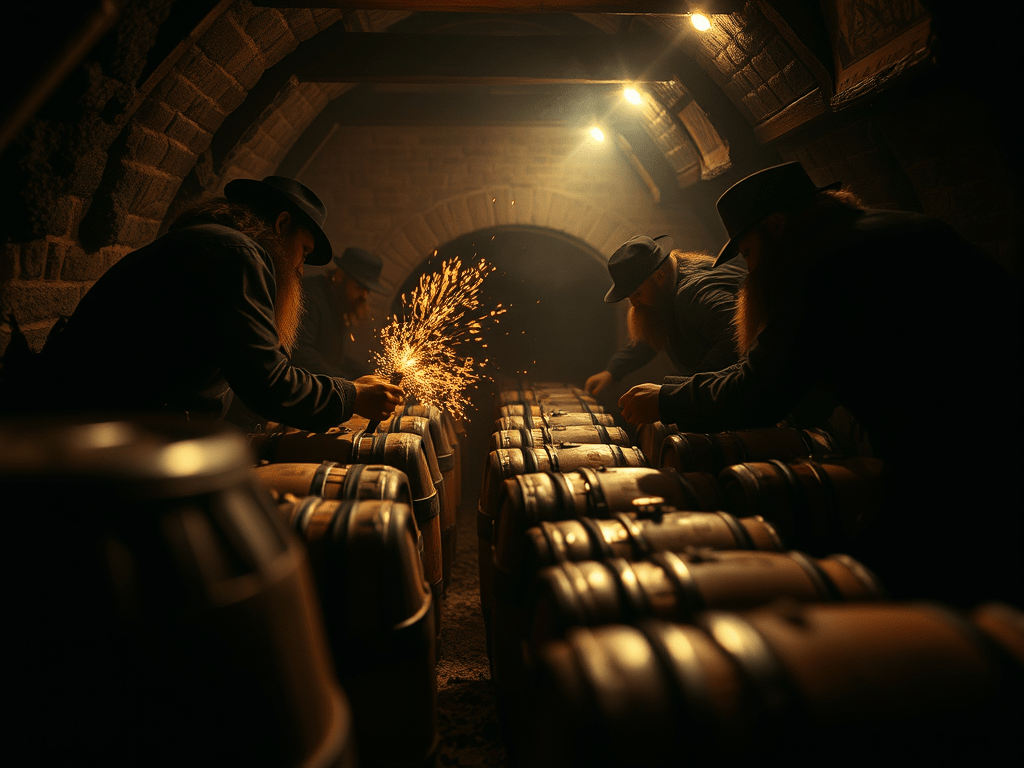
On 5 November, across the UK, bonfires blaze and fireworks light up the sky. They commemorate a historical event that nearly changed the course of British history: the Gunpowder Plot of 1605. But who was Guy Fawkes, the man whose name has become synonymous with this day? What motivated the plot to blow up the Houses of Parliament? Why did the conspirators want to kill King James I? This blog delves into the fascinating and tumultuous times that led to the conspiracy.
Follow us on Instagram, Facebook and LinkedIn.
The Political and Religious Context of Early 17th Century England
To understand the Gunpowder Plot, we must first look at the political and religious climate of early 17th century England. Queen Elizabeth I died in 1603. After her death, James VI of Scotland ascended to the English throne as King James I. While many Catholics hoped James would be more tolerant toward their faith than his predecessor, they soon found themselves disappointed. James I continued Elizabeth’s policies. He imposed fines on those who refused to attend Anglican services. He also enforced laws that marginalised Catholics. This discontent created a fertile ground for rebellion among a group of militant Catholics.

The Conspirators and Their Plan
The Gunpowder Plot was masterminded by Robert Catesby. He was a devout Catholic who sought to end the persecution of Catholics in England. He gathered a group of like-minded individuals. The group included Thomas Wintour, Jack Wright and Thomas Percy. It also included Guy Fawkes—a soldier and explosives expert. He had fought in the Spanish Netherlands. Fawkes’ military background and knowledge of gunpowder made him a crucial member of the group.
The plan was bold and dangerous. They aimed to blow up the House of Lords during the State Opening of Parliament on November 5, 1605. King James I, his heir and the entire Protestant elite would be present. The explosion would decapitate the government, paving the way for a Catholic uprising and the installation of a Catholic monarch.
The Foiling of the Plot
The conspirators rented a cellar beneath the House of Lords and filled it with 36 barrels of gunpowder. As the day approached, the plotters grew concerned. They worried about the potential for Catholic members of Parliament to be harmed. One conspirator, Francis Tresham, sent an anonymous letter to his brother-in-law. He warned Lord Monteagle to stay away from Parliament on 5 November.
The letter reached King James I, who ordered a search of the cellars beneath Parliament. In the early hours of 5 November, Guy Fawkes was discovered guarding the gunpowder. He was arrested and, under torture, revealed the names of his co-conspirators. The other plotters were eventually captured or killed, and the plot was foiled.
The Aftermath and Legacy of the Gunpowder Plot
The discovery of the Gunpowder Plot had far-reaching consequences. It led to harsher laws against Catholics and increased suspicion and surveillance of Catholic communities. The 5th November was declared a day of thanksgiving, marked by church services and the ringing of bells. Over time, the event evolved into the tradition we know today as Guy Fawkes Night or Bonfire Night. Effigies of Guy Fawkes are burned on bonfires. Fireworks symbolise the explosives that never ignited.
Guy Fawkes himself has become a complex figure in British history. To some, he is a villain who tried to commit mass murder. To others, he is a symbol of resistance against government oppression. His legacy continues to provoke debate and reflection on issues of religious freedom, state power and civil disobedience.
How Apollo Scholars History Tuition Can Help
At Apollo Scholars, we understand that history is more than just dates and events. It’s about understanding the motivations, contexts, and consequences that have shaped our world. We bring history to life. We help students critically analyse events like the Gunpowder Plot. This fosters a deeper appreciation of the past. Whether your child is struggling with understanding complex historical events, our personalised tutoring approach can help. If they need help with exam preparation, we can assist as well. We can make history engaging and accessible.
Visit our website today to learn more.
Book your in-person or online history tutoring session today.
Unlock our exclusive content in our Mission Control hub.

Leave a comment