
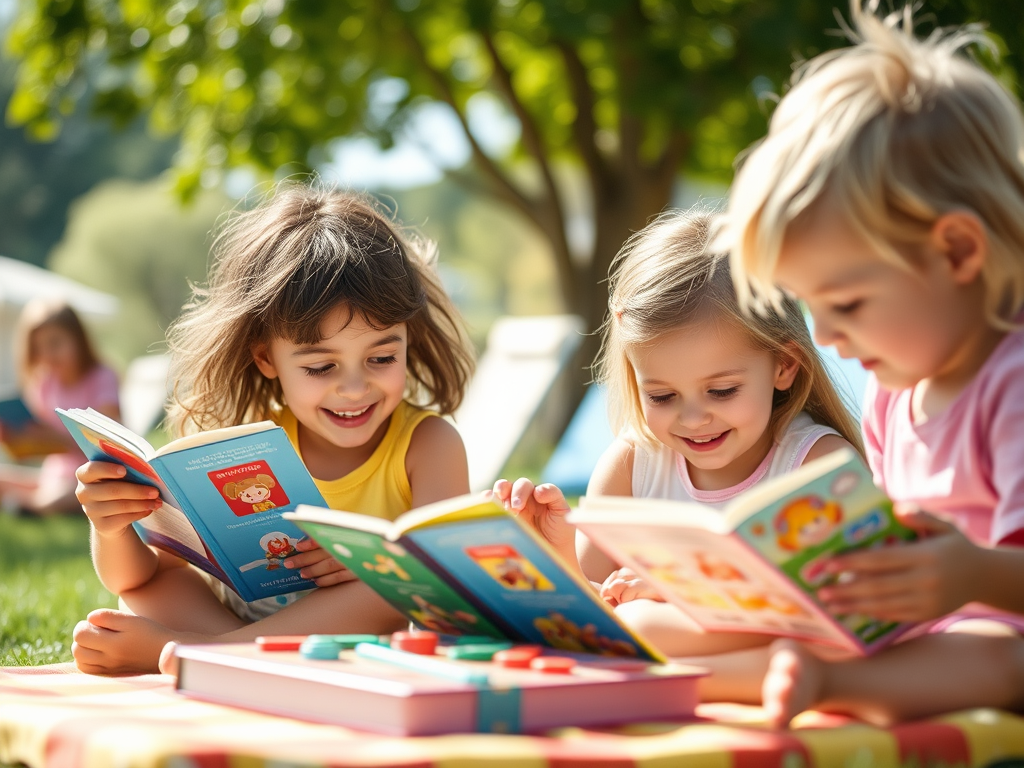
The long summer holidays are a welcome break for students. However, without a little structure, they can also come with a hidden cost. This cost is the summer slide. At Apollo Scholars, we believe that education does not have to stop in July. With the right approach, learning during the holidays can be fun. It can also be light and enriching.
In this post, we will explain what the summer slide is. We will discuss why it matters. We will also share how parents can help prevent it with practical, low-pressure strategies.
🎢 What Is the “Summer Slide”?
The summer slide (also known as summer learning loss) refers to the regression in academic skills. Many students experience this during the school holidays, especially in reading, writing and maths.
📉 The research is clear:
- Most students lose maths skills over the summer.
- Reading fluency and comprehension also decline without regular practice.
- Gaps are often wider in younger students or those already struggling with confidence.
This can result in a slower September. Students spend the first few weeks re-learning concepts.
💡 The Good News: It Is Preventable
The summer slide is not inevitable. In fact, just 15–30 minutes a day of light, structured learning can make all the difference. The key is to keep brains engaged in fun, low-pressure ways.
Here are several ways you can prevent learning loss:
🧠 7 Easy Ways to Prevent Summer Learning Loss
1. 📚 Make Reading Part of the Routine
Encourage daily reading, whether it is chapter books, graphic novels or even audiobooks. Join your local library’s Summer Reading Challenge, and let your child choose the books they enjoy.
🔹 Tip: Create a reward chart or “reading bingo” for extra motivation.
2. 🎲 Play Educational Board Games
Games like Scrabble and Chess develop literacy, maths and critical thinking skills without feeling like schoolwork. Board games are perfect for rainy afternoons or relaxed family evenings.
3. ✏️ Start a Summer Journal
Encourage your child to write short entries a few times a week. They can document holiday adventures, doodle, write stories or even keep a “fact journal” of interesting things they learn.
🔹 Writing builds literacy, reflection and memory, which are all essential for academic success.
4. 🌍 Learn Through Real-World Activities
Cooking, gardening and budgeting for a trip are ways to build maths, science and reasoning skills. You can also measure during a DIY project. These activities provide learning opportunities without a worksheet in sight.
5. 🧪 Take Educational Day Trips
Museums, historical sites, or even nature reserves offer great learning opportunities. Ask your child questions during your visit to encourage curiosity and discussion.
Example: “Why do you think they built the castle here?” or “How do you think that works?”
6. 📱 Use Learning Apps in Moderation
Educational apps like:
- BBC Bitesize
- Duolingo
- Khan Academy Kids
…are fantastic for on-the-go learning. 15–20 minutes a day can reinforce key skills in an engaging way.
7. 👩🏫 Book Summer Tutoring Sessions
Sometimes a little structured support can go a long way. Summer tutoring helps:
- Fill learning gaps
- Build confidence
- Prepare for key transitions (e.g., Y6 to Y7, GCSE to A-Level)
At Apollo Scholars, we offer flexible online tuition across the UK and in-person tutoring in the Surrey area.
🎯 Final Thoughts: Keep It Light, But Consistent
You do not need a rigid timetable to prevent the summer slide. Instead, focus on creating small, enjoyable learning moments throughout the week. The goal is not to replicate school. It is to keep your child’s brain gently engaged. This way, they are ready to hit the ground running in September.
📅 Book a Free Summer Consultation
Want tailored support for your child this summer? We can help maintain academic momentum and build confidence before the new school year begins.


Leave a comment