
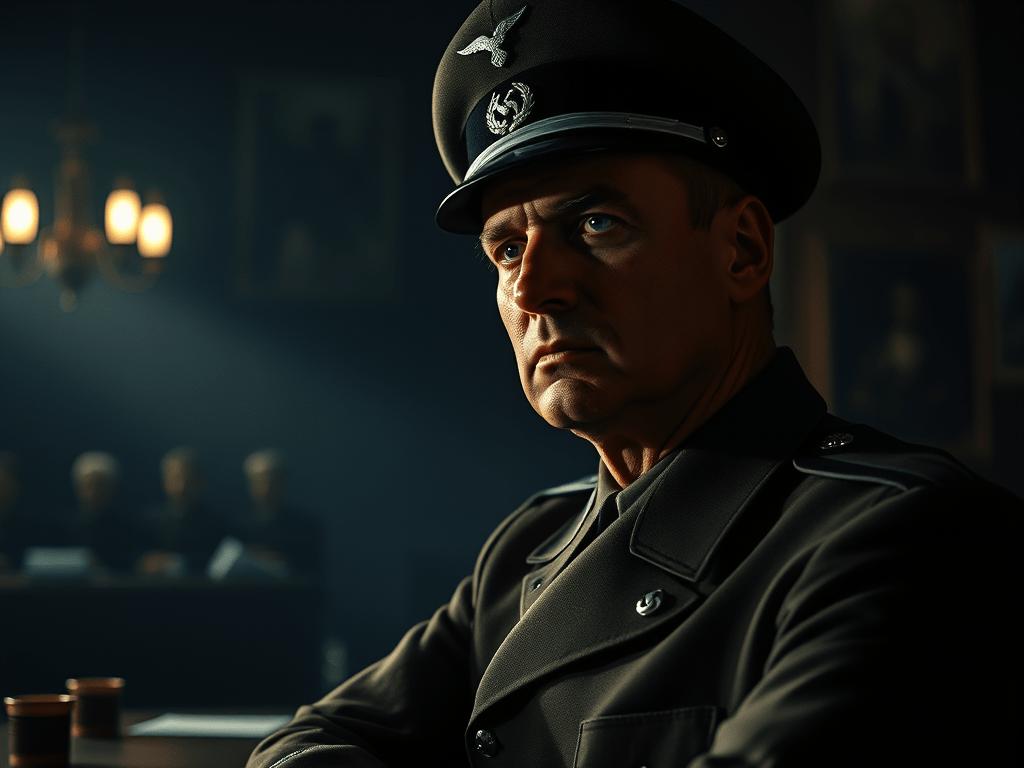
The 20 July Plot was one of the boldest and most significant acts of internal resistance in modern history. Senior German officers developed a high-stakes plan. Their goal was to remove Adolf Hitler from power. They aimed to bring an end to Nazi rule. The attempt failed, but it revealed something important. Even inside one of the most oppressive dictatorships in history, resistance was alive.
This blog explores themes of power, morality and resistance, and examines the difficult choices people made under tyranny.
What Was the 20 July Plot?
The 20 July Plot, also known as Operation Valkyrie, was a military-led conspiracy during World War II.
The plotters aimed to:
- Plant an explosive device during a military meeting
- Activate the Valkyrie emergency plan to take control of Berlin and key government offices
- Arrest top Nazi leaders and disband the SS and Gestapo
- Install a new government and negotiate peace with the Allies to prevent Germany’s collapse
Operation Valkyrie: The Hollywood Connection
Operation Valkyrie was the official name for an emergency response plan. It was designed by the German Army to restore order. The plan aimed to address internal unrest or national breakdown.
The conspirators, including Colonel Claus von Stauffenberg, secretly revised the plan to support a military coup. Their version would be activated immediately after Hitler’s death. The Reserve Army would be mobilised to:
- Secure Berlin
- Arrest leading Nazis
- Take control of communication lines and ministries
However, the plot’s success depended entirely on Hitler not surviving the attack. When news spread that he had survived, confusion broke out, the coup collapsed and the conspirators were exposed.
This event reached global recognition through the 2008 film Valkyrie. Tom Cruise starred as Stauffenberg, and Terence Stamp played General Ludwig Beck. The film takes dramatic liberties. However, it introduced a new generation to the bravery of those who tried to resist from within Germany.
Historical Context: Germany on the Brink
By mid-1944, Nazi Germany was losing the war:
- The Soviet Union was advancing from the east after pushing back German forces.
- The Allied invasion of Normandy (D-Day) had succeeded in opening a Western front.
- German cities were under heavy bombardment, and morale was crumbling.
Even some within Hitler’s own military circle began to fear. They worried that continued fighting would lead to total defeat and national collapse.
At the same time, reports of Nazi atrocities convinced many that they had a moral duty to act.
Who Were the Conspirators?
The most well-known figure in the 20 July Plot was Colonel Claus von Stauffenberg, a decorated war hero who had lost an eye, a hand and two fingers in battle. Despite his injuries, he remained an active officer and became a central figure in the resistance.
However, he was not alone. The conspiracy included:
- General Ludwig Beck – Former Chief of Staff of the German Army.
- Colonel General Friedrich Olbricht – Head of the General Army Office.
- Dr. Carl Goerdeler – Former mayor of Leipzig, intended to be Chancellor after Hitler’s death.
- Henning von Tresckow – A key architect of the resistance.
These men came from military, political and aristocratic backgrounds. Some had once supported Hitler. Later, they realised the regime was a force that needed to be stopped.
How the Attempt Unfolded
The Key Events of 20 July
- Morning: Stauffenberg flew to Hitler’s military headquarters, the Wolf’s Lair in East Prussia.
- Meeting Begins: A military briefing was held inside a reinforced wooden hut. Stauffenberg brought a briefcase containing a powerful explosive.
- Bomb Planted: He placed the briefcase under the table, near Hitler, and excused himself from the room.
- Explosion: Minutes later, the bomb exploded. Four people died.
- Hitler Survived: Hitler escaped with only minor injuries. A thick oak table leg and the briefcase being moved likely saved his life.
Why Did the Plot Fail?
Despite the explosion, the plan fell apart quickly. Here is why:
- Hitler survived – The central condition for the coup to work was not met.
- Confusion spread in Berlin – Many officers were unsure whether to act.
- Poor coordination – Some key players hesitated, while others backed out.
- Goebbels and Himmler remained in control – The SS quickly regained command and crushed the plot.
By the evening of 20 July, the coup attempt had collapsed. Stauffenberg and others were executed that night.
What Happened After?
In the days and weeks that followed:
- Over 7,000 people were arrested.
- More than 4,000 were executed, many after show trials.
- The regime used the plot as an excuse to intensify repression, tighten control and eliminate potential dissenters.
Even family members of conspirators were imprisoned or executed, a chilling reminder of how far the regime’s control extended.
Why the 20 July Plot Still Matters
Though the plot failed, its impact is long-lasting. It challenges the myth that all Germans blindly supported Hitler. It also shows that even within the military, there were those willing to risk everything to stop him.
Key Lessons:
- Moral courage: These individuals acted out of conscience, not self-interest.
- Resistance can exist inside oppression: Even in the heart of a dictatorship, dissent is possible.
- Failure does not erase bravery: Though they did not succeed, the conspirators are remembered today for their bravery.
Useful for GCSE and A-Level History
This topic fits into several exam themes:
Quick Summary
✅ What? A failed plot to remove Hitler and overthrow the Nazi regime
✅ Who? German officers, including Claus von Stauffenberg
✅ Where? Hitler’s military HQ (Wolf’s Lair), East Prussia
✅ When? 20 July
✅ Why? To stop the war, end Nazi control and save Germany
✅ Result? Hitler survived, plotters executed, repression increased
✅ Legacy? Seen as heroes who took a moral stand against tyranny
🔗 Explore More with Apollo Scholars
Looking for more GCSE and A-level history support? Visit Apollo Scholars for:
- Detailed topic breakdowns
- Practice questions and source analysis
- Engaging revision content


Leave a comment