
Access the Apollo Scholars Exclusive Animal Farm GCSE Revision Guide
Before analysing Chapter 5, make sure you have the Apollo Scholars Animal Farm GCSE Revision Guide, the complete resource for students.
With this guide, you will:
- 📘 Master every chapter with expert analysis and model responses
- 🧠 Learn how Orwell’s allegory connects to real history
- 📝 Practice essay questions with detailed examiner-style feedback
- 💬 Understand how Orwell’s language builds theme and tone
👉 Download the Apollo Scholars Exclusive Revision Guide – the ultimate companion for confident, high-level GCSE success.
What Happens in Chapter 5 of Animal Farm?
Winter has come to Animal Farm, and with it, rising tension between Snowball and Napoleon. Orwell shows how the unity of rebellion begins to fracture as ambition replaces ideology.
- Mollie, the vain horse, is caught taking sugar and ribbons from a human and disappears, symbolising those who abandon revolutions for comfort.
- Snowball develops plans for a windmill, which he argues will modernise the farm and reduce labour.
- Napoleon opposes the idea, claiming it will distract from food production.
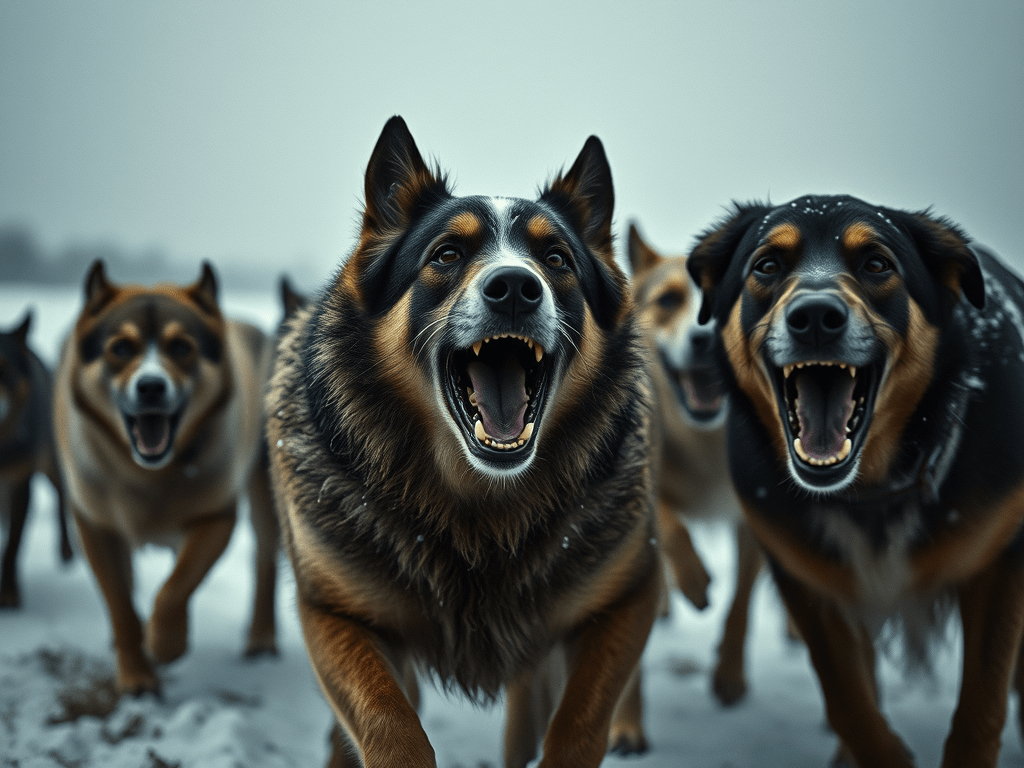
During a fierce debate, Napoleon’s dogs suddenly chase Snowball off the farm, a shocking and violent turning point. Orwell uses this moment to show how dictators seize power through fear, not democracy.
Soon after, Napoleon claims the windmill was actually his idea all along. Squealer, his propagandist, convinces the animals this is true, marking the start of Orwell’s exploration of propaganda and control.
What Does the Windmill Symbolise in Animal Farm?
The windmill represents technological progress and ideological manipulation. Initially, it symbolises hope; Snowball’s dream of a better life through hard work and innovation.
However, once Napoleon takes over, it becomes a tool of exploitation. Orwell uses the windmill to show how dictators rebrand others’ ideas for personal glory, echoing Stalin’s Five-Year Plans in Soviet Russia.
Exam Tip: The windmill’s changing meaning is perfect for essays about symbolism and power. Ask: Does Orwell suggest progress can exist without corruption?
How Does Orwell Show Propaganda in Chapter 5?
This chapter introduces Squealer’s propaganda, one of Orwell’s most effective tools of satire.
Squealer twists facts, uses emotional manipulation and even appeals to fear:
“Surely, comrades, you do not want Jones back?”
This phrase becomes the farm’s ultimate threat, silencing dissent. Orwell’s language here shows how repetition and fear replace logic in totalitarian regimes.
GCSE Insight: When writing essays, focus on how Orwell’s use of rhetorical questions, repetition and euphemism demonstrates the distortion of truth.
What Does Napoleon’s Takeover Represent?
Napoleon’s seizure of power directly mirrors Joseph Stalin’s rise after Lenin’s death.
- Snowball = Trotsky (idealistic revolutionary, exiled).
- Napoleon = Stalin (ruthless opportunist who consolidates power).
Orwell portrays how revolutions often fall into dictatorship through violence, propaganda and control over education and information.
Key Point: The dogs represent Stalin’s secret police; loyal, unthinking enforcers used to eliminate opponents.
Exam Strategy: When analysing Napoleon’s leadership, link to context: “Orwell was exposing how the Soviet regime betrayed the promise of equality.”
How Do the Animals React to Napoleon’s Leadership?
At first, the animals are shocked and confused by Snowball’s sudden expulsion. However, Squealer reassures them that Napoleon is acting “for their own good.”
Boxer, symbol of the working class, simply adopts a new motto:
“Napoleon is always right.”
This tragic loyalty becomes Orwell’s warning; revolutions fail not only because of corrupt leaders, but because ordinary people stop questioning authority.
GCSE Insight: In essays, use Boxer to explore how obedience and ignorance can maintain oppression.
What Are the Key Themes in Chapter 5?
- Power and Corruption – Napoleon’s actions mark the transition from equality to dictatorship.
- Propaganda and Control – Squealer becomes the mouthpiece of manipulation.
- Violence and Fear – The use of dogs introduces terror as a tool of governance.
- Truth and History – The rewriting of Snowball’s ideas foreshadows historical revisionism.
- Loyalty and Betrayal – Boxer’s devotion shows the tragedy of misplaced trust.
Exam Tip: For high marks, link these themes to Orwell’s warning about how easily power destroys truth and freedom; central to both Animal Farm and 1984.

“Chapter 5 is where power stops pretending. Orwell turns a hopeful revolution into a dictatorship in a single chapter; not with a battle, but with words, fear and silence. For GCSE students, this is the moment to study how language becomes the real weapon. Understanding that change is key to writing top-grade essays.”
Matt
Founder, Apollo Scholars
What Happens Next in Animal Farm?
In Chapter 6, the animals work harder than ever on Napoleon’s new windmill, but cracks begin to show. Promises are broken, history is rewritten and Orwell begins to reveal how corruption hardens into tyranny.
👉 Next Blog: Animal Farm Chapter 6: Hard Work, Broken Promises and the Corruption of Power
⬅️ Previous Blog: Animal Farm Chapter 4: Revolution Spreads and War Comes to the Farm
All Blogs in the Animal Farm GCSE Study Series
Animal Farm Chapter 1: The Dream of Rebellion
Animal Farm Chapter 2: The Rebellion Begins
Animal Farm Chapter 3: Equality, Work and Leadership
Animal Farm Chapter 4: Revolution Spreads and War Comes to the Farm
✅ Animal Farm Chapter 5: Power, Propaganda and the Rise of Napoleon
Animal Farm Chapter 6: Hard Work, Broken Promises and Corruption
Animal Farm Chapter 7: Betrayal and Terror on Animal Farm
Animal Farm Chapter 8: Corruption, Hypocrisy and Control
Animal Farm Chapter 9: Death, Deception and Disillusionment
Animal Farm Chapter 10: The Pigs Become Men – The End of the Dream
Animal Farm GCSE Study Hub: Orwell’s Vision, Themes, and Context


Leave a comment