
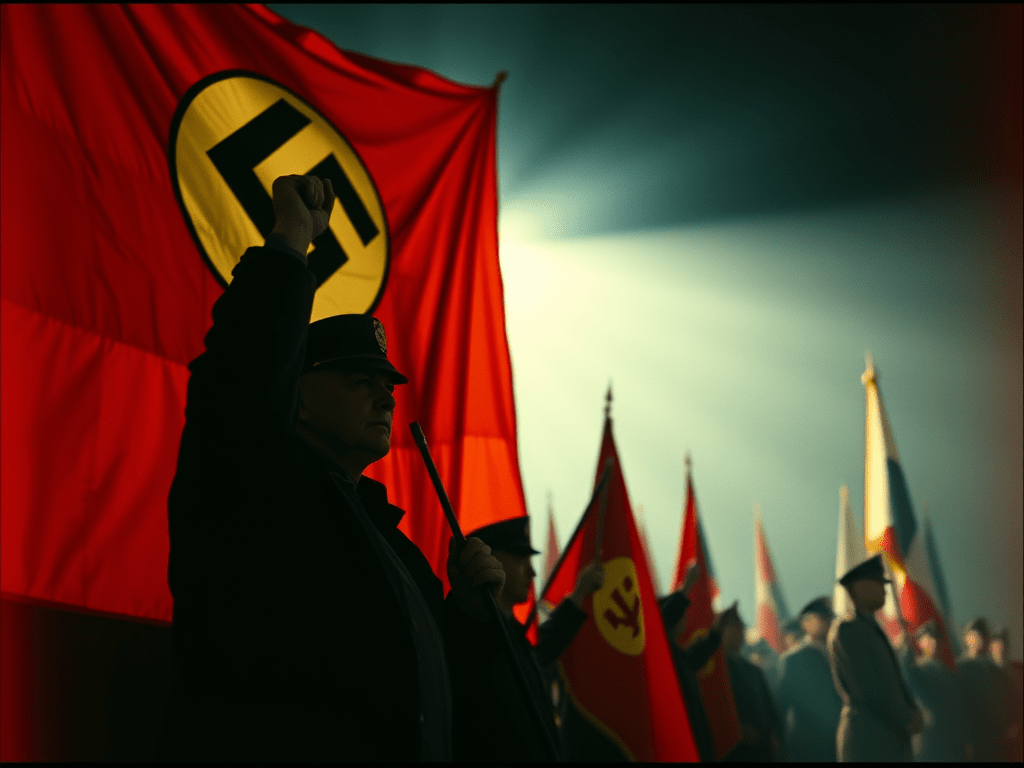
The interwar period, stretching from the end of the First World War in 1918 to the outbreak of the Second World War in 1939, was one of the most unstable and transformative eras in modern history. In less than two decades, Europe and parts of the wider world witnessed the collapse of empires, the failure of fragile democracies, and the dramatic rise of totalitarian regimes that sought to control not only politics, but society, culture, the economy, and even thought itself.
For GCSE and A-Level History students, this period is absolutely crucial. It appears in exam specifications under topics such as Weimar and Nazi Germany, Stalin’s Russia, Fascist Italy, and the causes of the Second World War. But more importantly, it teaches vital historical skills: how to analyse cause and consequence, how to evaluate different interpretations, and how to explain why societies sometimes turn to extremist solutions in times of crisis.
This in-depth guide will:
- Explain what totalitarianism is
- Analyse why these regimes emerged after World War I
- Examine the systems created by Adolf Hitler, Benito Mussolini, and Joseph Stalin
- Show how these regimes maintained power
- Link everything clearly to exam success
Subscribe to get access
Read more of this content when you subscribe today.


Leave a reply to Why the League of Nations Failed: Key Reasons Explained – Apollo Scholars Cancel reply