
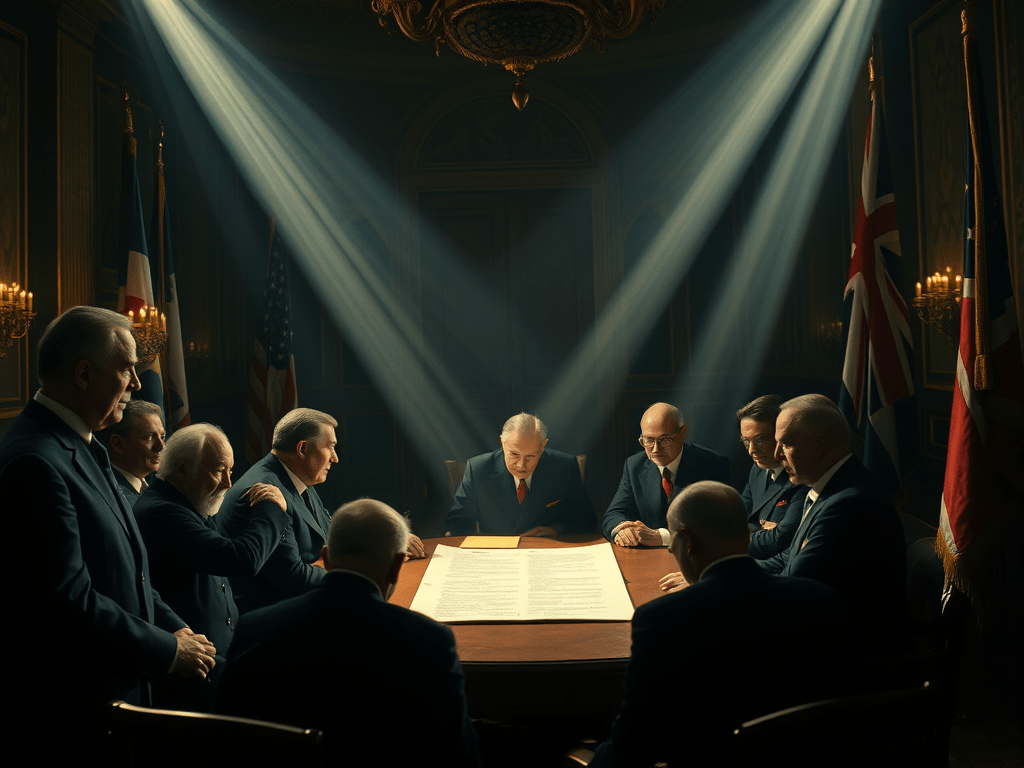
The Treaty of Versailles, signed on 28 June 1919, officially ended the First World War and aimed to establish lasting peace in Europe. However, its terms were controversial and had consequences that rippled through the 20th century, ultimately setting the stage for the Second World War.
For GCSE and A-Level History students, understanding the Treaty of Versailles is not just about memorising dates and facts; it is about developing analytical skills, understanding cause and effect and being able to evaluate historical debates. This guide offers a detailed look at the Treaty’s provisions, reactions and long-term impact while providing exam-focused insights and study strategies.
Subscribe to get access
Read more of this content when you subscribe today.


Leave a reply to Woodrow Wilson, WW1, Fourteen Points and the Treaty of Versailles – Apollo Scholars Cancel reply