
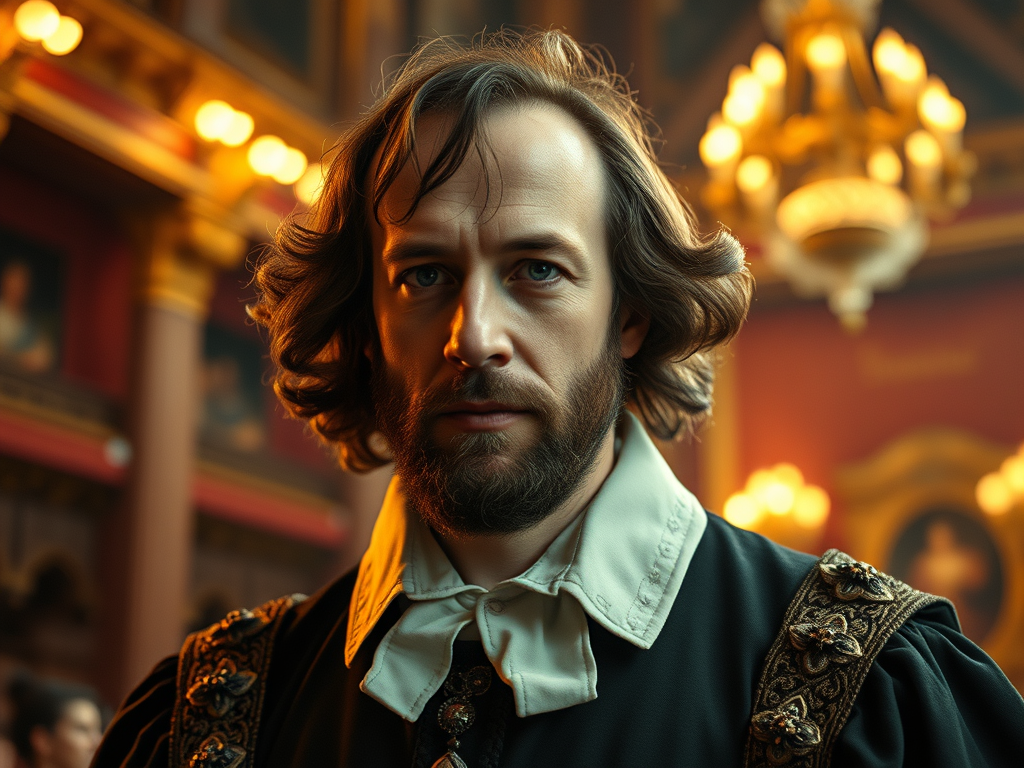
Introduction: The Birth of an English Renaissance
When Elizabeth I ascended to the throne in 1558, England was a small, fractured island nation teetering on the edge of bankruptcy and religious civil war. Decades of religious upheaval under Henry VIII, Edward VI and Mary I had left the population exhausted and the treasury depleted. Yet, by the time of her death in 1603, England had transformed into a confident, expanding global power. Central to this transformation was a cultural explosion so profound that historians still refer to it as the Elizabethan Golden Age.
This was an era of unprecedented creativity. It was the age of William Shakespeare, of sprawling open-air theatres that drew thousands of citizens a week, and of breathtaking poetry that redefined the English language. However, to view the Elizabethan Golden Age as merely a period of pretty plays and beautiful sonnets is to miss the true genius of the era. The arts were the Silicon Valley of the 16th century; they were high-stakes, cutting-edge and deeply political.
Elizabeth I understood something that many of her European rivals did not: culture is power. Lacking a massive standing army or the endless gold reserves of the Spanish Empire, Elizabeth used literature, theatre and art to build an image of England as a sophisticated, unified and divinely favoured Protestant powerhouse.
She turned her court into a stage and her subjects into a captivated audience.
Whether you are a student preparing for advanced history exams or a lifelong learner with a passion for the arts, this comprehensive article will take you deep into the heart of the Elizabethan cultural revolution. We will explore the masterminds who built this golden age, the political propaganda that funded it and the daily reality of the people who lived it.
Table of Contents
- Why Is Elizabeth I’s Reign Called a “Golden Age” of Culture?
- How Did the Queen’s Patronage Drive Artistic Innovation?
- What Made Elizabethan Theatre a Revolutionary Mass-Media Platform?
- Who Was William Shakespeare, and Why Did His Works Dominate This Era?
- How Did Christopher Marlowe and Edmund Spenser Shape English Literature?
- How Did Art and Portraiture Function as Royal Propaganda?
- What Role Did Music and Architecture Play in Elizabethan Society?
- Was the “Golden Age” a Reality for Ordinary People?
- How Do Historians View the Cultural Legacy of the Elizabethan Era?
Subscribe to get access
Read more of this content when you subscribe today.
Leave a Reply