
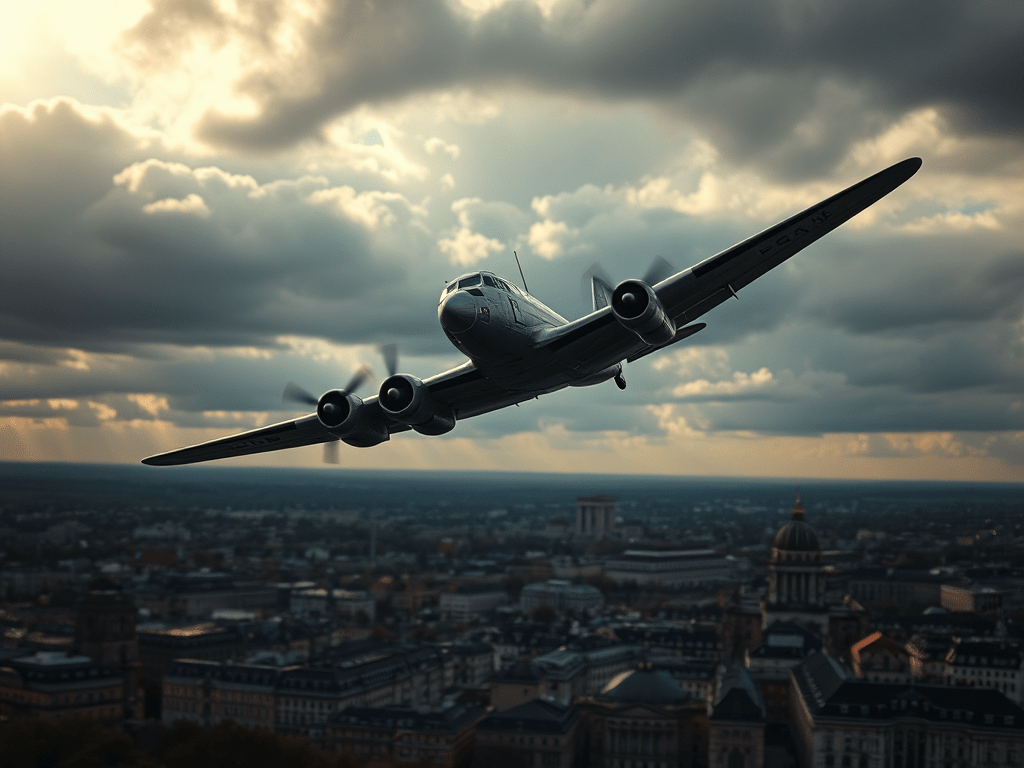
The Berlin Blockade of 1948–1949 was the first major crisis of the Cold War. It was a pivotal moment. This set the stage for the division of Germany and Europe into two opposing spheres of influence. The Soviet forces tried to force the Western Allies out of Berlin. The Western powers launched a daring airlift to keep the city supplied. This turned a blockade into a powerful symbol of resistance.
In this blog, we’ll explore the causes, key events and consequences of the Berlin Blockade. We will also examine how it shaped the post-war world order.
Follow us on Instagram, Facebook and LinkedIn.
Causes of the Berlin Blockade
Following World War II, Germany was divided into four occupation zones. These were controlled by the Allied powers: the United States, the Soviet Union, Britain and France. Berlin, located deep inside Soviet-controlled East Germany, was similarly divided into four sectors.
Subscribe to get access
Read more of this content when you subscribe today.


Leave a comment