
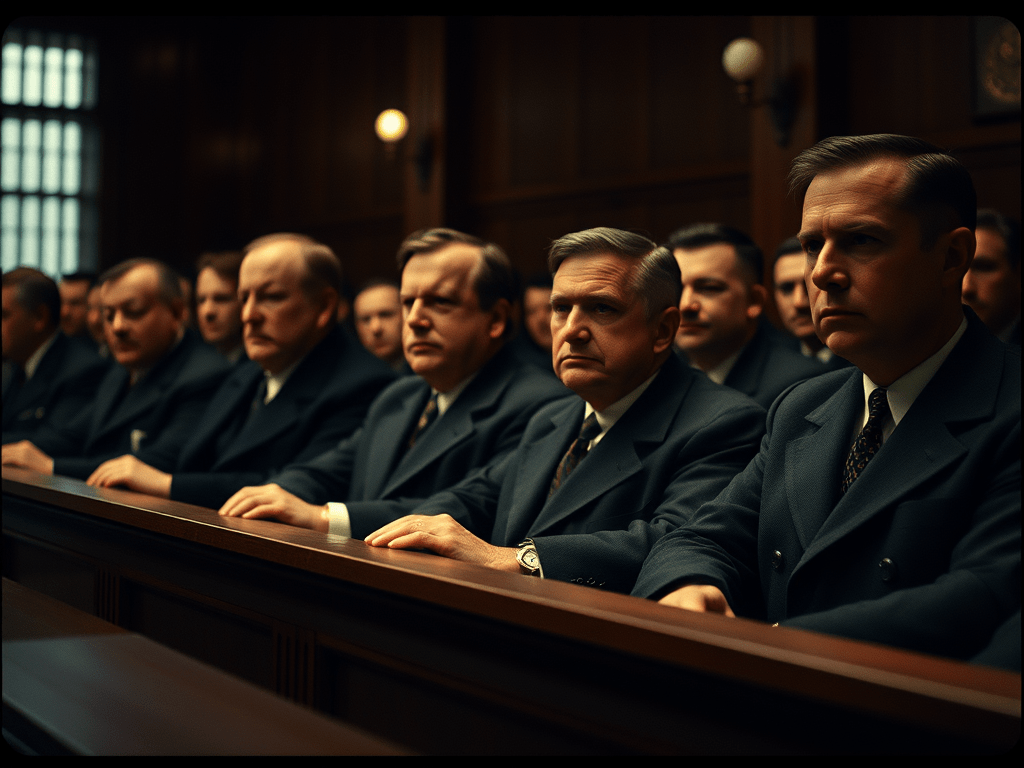
The Nuremberg Trials stand as a pivotal moment in history. It marked the first time individuals were held accountable for war crimes. They were also held accountable for crimes against humanity on a global stage. After the atrocities committed by the Nazi regime during War II, these trials aimed to bring Nazi leaders to justice. They also sought to establish a precedent for international law. This blog will explore the significance of the trials. It will discuss key participants and their historical context. The blog will also examine the lasting impact on the pursuit of justice for victims of genocide and war crimes.
Follow us on Instagram, Facebook and LinkedIn.
FAQs
The Nuremberg Trials represent a significant moment in the quest for justice after the atrocities of the Holocaust. In this section, we address some of the most frequently asked questions about the trials. We provide clarity on key aspects. We also highlight their importance in international law and human rights.
What were the Nuremberg Trials?
The Nuremberg Trials were a series of military tribunals. They were held after World War II. The purpose was to prosecute major Nazi leaders for war crimes and crimes against humanity.
Who were the main prosecutors at the Nuremberg Trials?
Key prosecutors included Robert H. Jackson (USA), Sir Hartley Shawcross (UK), Francois de Menthon (France), and Roman R. Rudenko (USSR).
What was the outcome for the defendents?
Of the 24 major defendants, 12 were sentenced to death, three received life imprisonment, and others received various sentences.
Why were the Nuremberg Trials significant?
The trials established important legal precedents for accountability in international law. They also defined concepts such as crimes against humanity and genocide.
How did the Nuremberg Trials influence future legal proceedings?
The legal principles established during the trials laid the foundation for subsequent international tribunals. These principles reinforced the importance of justice and human rights.
Background of the Nuremberg Trials
Germany was defeated in World War II in 1945. In the aftermath, the Allied powers sought to address the horrific crimes committed by the Nazi regime. Justice was urgently needed. It was crucial for the millions who suffered during the Holocaust. It was also essential to prevent similar atrocities in the future. The Nuremberg Trials were held in Nuremberg, Germany, from 1945 to 1946, under the jurisdiction of the Allied powers.
Related | Life in the Ghettos: The Struggles and Resilience of Jewish Communities During the Holocaust
Why was Nuremberg chosen for the trials?
As Germany’s capital city, Berlin, lay in ruins, Nuremberg was chosen as the location for the trials. It was the site of many Nazi rallies, such as the Nuremberg Rallies in 1935. This location was symbolically significant; it marked a transition from a place of tyranny to one of justice. The trials represented a landmark effort. They sought to hold individuals accountable for actions during wartime. These trials aimed to establish principles of international law. This marked a revolutionary step; a move away from the previous practice of victor’s justice. In that practice, the winning side of a conflict would impose its own view of justice upon the defeated.
“The privilege of opening the first trial in history for crimes against the peace of the world imposes a grave responsibility.
Robert H. Jackson
The wrongs which we seek to condemn and punish have been so calculated, so malignant and so devastating,
that civilisation cannot tolerate their being ignored, because it cannot survive their being repeated. That four
great nations, flushed with victory and stung with injury, stay the hand of vengeance and voluntarily submit their
captive enemies to the judgment of the law is one of the most significant tributes that Power has ever paid to Reason.”
Opening Statement before the International Military Tribunal, Nuremberg, Germany, November 21, 1945.
The Importance of Justice
The Nuremberg Trials were not just about punishing the guilty. They were also about establishing a historical record of the atrocities committed during the Holocaust. They sought to document the systematic nature of the crimes, particularly the genocide of Jews and other targeted groups. The proceedings aimed to provide a sense of closure for the victims and their families. They acknowledged the suffering endured. They ensured that such horrors would never again stain the tapestry of world history.
Related | Liberation of the Concentration Camps – The End of the Holocaust and Its Aftermath
Key Participants in the Nuremberg Trials
The Nuremberg Trials included a diverse group of individuals. These people came from various Allied nations. They played crucial roles in prosecuting and defending the accused.
1. Chief Prosecutors at the Nuremberg Trials
Robert H. Jackson (USA): As the Chief Prosecutor for the United States, Jackson was a prominent figure in the trials. He emphasised the moral responsibility of the defendants and articulated the legal framework for prosecuting war crimes. His opening and closing statements laid the groundwork for the trials’ legitimacy. Jackson famously stated:
“The wrongs which we seek to condemn and punish have been so calculated and so malignant. They have been so
Robert H. Jackson
devastating that civilisation cannot tolerate their being ignored. It cannot survive their being repeated.”
Opening Statement before the International Military Tribunal, Nuremberg Trials, November 21, 1945.
“It is impossible in summation to do more than outline with bold strokes the vitals of this trial’s
Robert H. Jackson
mad and melancholy record, which will live as the historical text of the Twentieth Century’s shame and depravity.”
Closing Argument before the International Military Tribunal, Nuremberg Trials, July 26, 1946.

Sir Hartley Shawcross (UK): Representing the United Kingdom, Shawcross presented strong arguments against the defendants. He highlighted the atrocities committed by the Nazi regime. Shawcross emphasised the necessity of justice. He underscored the importance of the trials in the context of world peace and security.
Francois de Menthon (France): De Menthon served as one of the French prosecutors. He focused on the broader implications of the Nazi regime’s actions. He linked them to fundamental principles of humanity. His contributions emphasised that the trials were not merely legal proceedings but also moral imperatives.
Roman R. Rudenko (USSR): Rudenko represented the Soviet Union. He was instrumental in presenting evidence of Nazi crimes. This was particularly focused on the Eastern Front and the suffering of Soviet citizens. His perspective highlighted the trials’ international nature, demonstrating that the crimes committed were not confined to Germany alone.
2. Defendants at the Nuremberg Trials
The Nuremberg Trials involved 24 major war criminals. Not all of them were present. Their charges ranged from crimes against peace to war crimes and crimes against humanity. Notable defendants included:
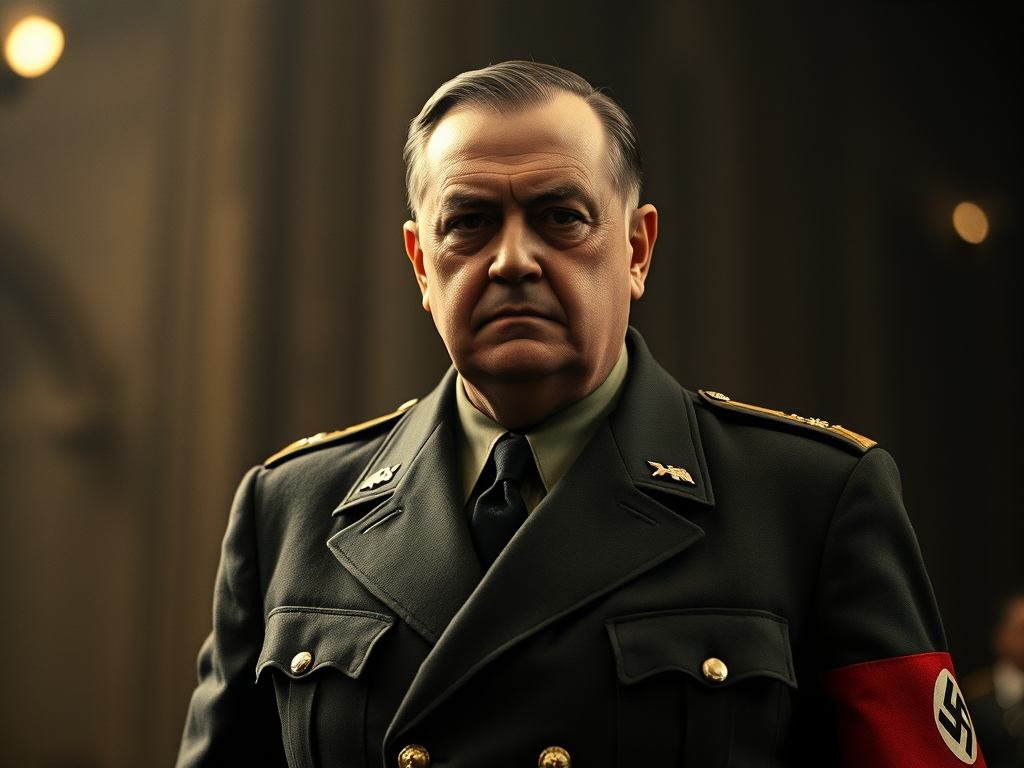
Hermann Göring: Göring was one of the most senior Nazi officials and founder of the Gestapo. He was sentenced to death by hanging. His arrogance during the trials showcased the disconnect between the defendants and the gravity of their actions.

Rudolf Hess: Hitler’s deputy, Hess was found guilty and sentenced to life imprisonment. His defence hinged on claims that he acted on orders from Hitler. This illustrates the complexity of accountability in a hierarchical regime.
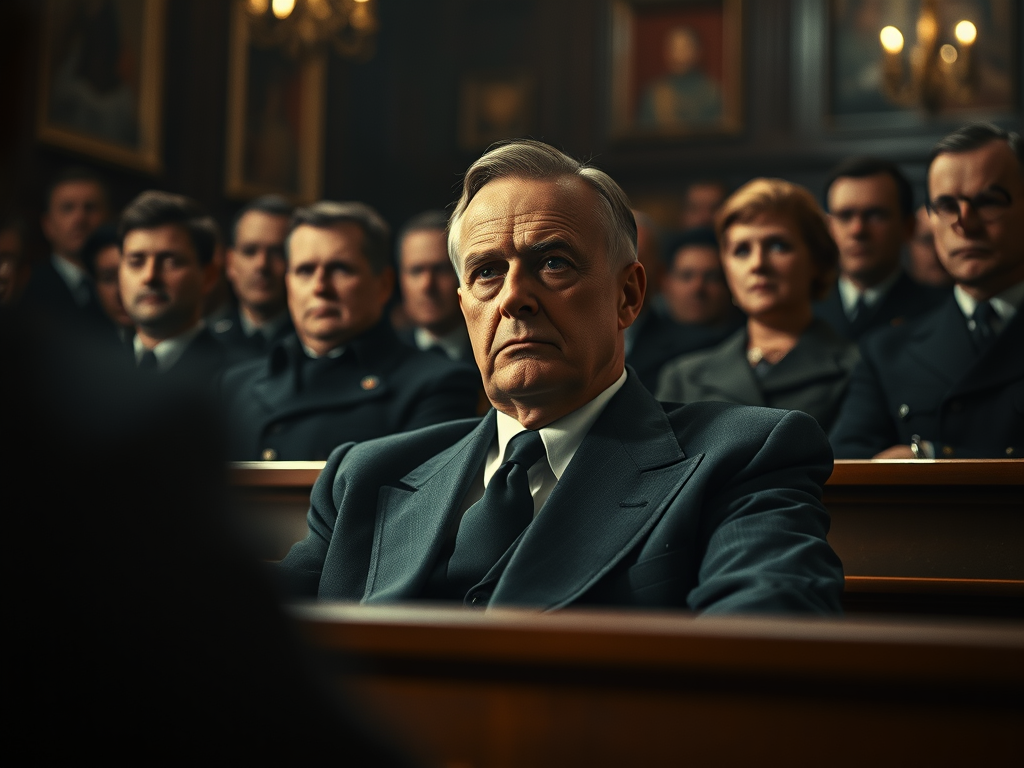
Joachim von Ribbentrop: The Nazi foreign minister, Ribbentrop was also sentenced to death. His role in the orchestration of the Holocaust made his participation in the trials especially significant.

Wilhelm Keitel: Chief of the Oberkommando der Wehrmacht (OKW), Keitel was sentenced to death. He attempted to justify the actions of the German military. However, he could not escape the consequences of his decisions. The hangman’s noose awaited him.
3. Defence Counsel
Each defendant was entitled to legal representation, and several notable lawyers participated in the defense.
- Hans Laternser: He represented several of the defendants. He argued against the legality of the trials. His defence raised crucial questions. These questions concerned the legality of prosecuting actions not classified as crimes when they were committed.
- Gottfried von Strasser: He served as the defence attorney for Hans Fritzsche. He argued for his client’s innocence due to a lack of direct involvement in war crimes. The defences raised during the trials often highlighted the moral and legal complexities of individual culpability within a totalitarian state.
The Proceedings of the Nuremberg Trials
The trials themselves were significant not just for their outcomes but for the process they established. For the first time, an international tribunal sought to address crimes against humanity. The proceedings included:
Evidence and Testimonies
The trials featured extensive documentation of Nazi crimes, including photographs, film footage and testimonies from survivors and witnesses. The prosecution presented evidence of the systematic extermination of Jews, the forced labour of millions and other horrific acts. Notably, the testimony of Holocaust survivors was critical in establishing the reality of the atrocities committed.
The Role of Documentaries
The Nuremberg Trials also marked the first time that film footage of the concentration camps was shown in a courtroom. This made the horror of the Holocaust palpable to both the judges and the world. These documentaries offered a powerful reminder of the depths of human cruelty.
Legal Framework Established
The trials established legal precedents that continue to influence international law today. They defined key legal principles. These included:
- Participation in a common plan or conspiracy for the accomplishment of a crime against peace
- Planning, initiating and waging wars of aggression and other crimes against peace
- Participating in war crimes
- Crimes against humanity
This set the stage for future international tribunals. The prosecution’s argument focused on personal responsibility. Individuals are accountable for their actions, even when acting under orders from a higher authority.
“It is against such a background that these defendants now ask this Tribunal to say that they are not guilty of
Robert H. Jackson
planning, executing, or conspiring to commit this long list of crimes and wrongs. They stand before the
record of this Trial as bloodstained Gloucester stood by the body of his slain king. He begged of the widow,
as they beg of you:
“Say I slew them not.” And the Queen replied, “Then say they were not slain. But dead they are…”
If you were to say of these men that they are not guilty, it would be as true to say that there has been no war,
there are no slain, there has been no crime.“
Summation for the prosecution, 26 July 1946
Impact of the Nuremberg Trials
The Nuremberg Trials established a precedent for future international trials and played a crucial role in shaping modern international law.
1. Accountability for War Crimes
The trials affirmed that individuals could be held accountable for war crimes and crimes against humanity. This was a revolutionary concept. It has influenced many legal frameworks since then. This concept has led to subsequent trials for leaders in various conflicts. These include conflicts in the former Yugoslavia and Rwanda.
2. Establishment of Legal Principles
The Nuremberg Trials helped define key legal principles. These principles include the concepts of crimes against humanity, genocide and the responsibility to protect. These principles continue to guide international humanitarian law today, ensuring that those who commit atrocities are held accountable.
Related | Adolf Eichmann: The Architect of the Holocaust and His Dramatic Capture and Trial
3. Foundation for Future Trials
The legal framework established at Nuremberg laid the groundwork for subsequent international trials. The trials showcased the potential for international cooperation in seeking justice for crimes against humanity. They also highlighted the necessity of ongoing vigilance against human rights violations.
Related | The Ratlines: Escape Routes for Nazi War Criminals After World War II
4. Influence on Human Rights Law
The Nuremberg Trials sparked a global dialogue about human rights and justice. They contributed to the development of the Universal Declaration of Human Rights in 1948. These efforts led to subsequent human rights treaties. This reinforced the idea that all individuals are entitled to fundamental rights, regardless of their nationality or circumstances.
Related | The Holocaust’s Legacy: Remembering, Educating and Advancing Human Rights
Conclusion
The Nuremberg Trials remain a significant legal landmark in the pursuit of justice for the victims of the Holocaust. They also hold significance in the broader context of war crimes. These trials held individuals accountable for their actions. They emphasised the importance of justice. They also highlighted the rule of law in the aftermath of horrific events. The trials established vital precedents. These precedents continue to resonate in contemporary discussions about accountability and human rights.
The Nuremberg Trials serve as a powerful reminder of the importance of seeking justice. They highlight the need to promote human dignity and the pursuit of those who perpetrate atrocities.
Further reading recommendations on the Nuremberg Trials
For more information on the Nuremberg Trials, please visit here.
To learn more about Robert H. Jackson, please visit the Robert H. Jackson Center here.
For the entire transcripts of Robert H. Jackson’s opening and closing addresses to the court, please visit these links:
- Opening statement before the International Military Tribunal
- Closing arguments for conviction of Nazi war criminals
How Apollo Scholars can help
Book your online or in-person History tutoring session here.
Unlock our exclusive content in our Mission Control hub.
Find additional resources on historical topics here.


Leave a reply to The Holocaust’s Legacy: Remembering, Educating and Advancing Human Rights – Apollo Scholars Cancel reply