
Introduction
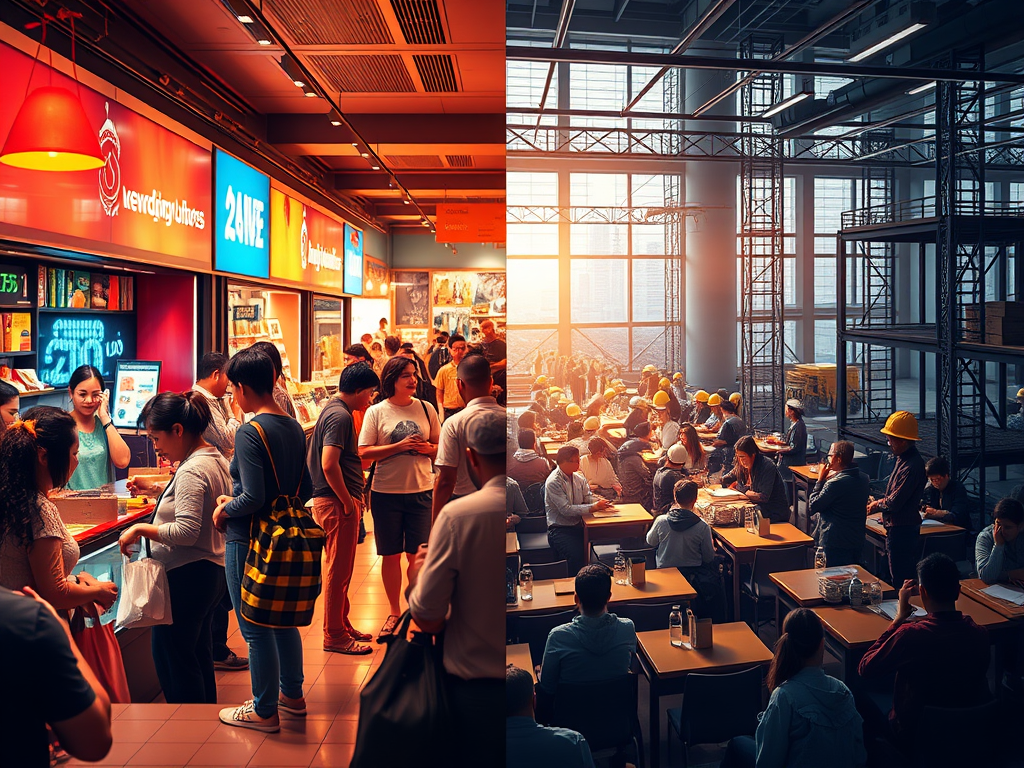
Economic policies are the tools that governments use to manage the economy and ensure stability, growth and equity. These policies are broadly categorised into demand-side and supply-side policies. They tackle different aspects of the economy. Their range extends from stimulating short-term demand to improving long-term productivity.
This blog will delve into the fundamentals of demand-side and supply-side policies, their mechanisms and their impact on the economy.
Follow us on Instagram, Facebook and LinkedIn.
Book your online or in-person tuition session here.
Unlock our exclusive resources in our Mission Control hub.
FAQs
What is the main difference between demand-side and supply-side policies?
Demand-side policies focus on stimulating economic demand. Supply-side policies aim to increase the productive capacity of the economy by improving efficiency and productivity.
Can demand-side and supply-side policies be used together?
Yes, governments often use both policies together to achieve balanced economic growth. For example, fiscal stimulus can boost demand while infrastructure investment enhances long-term productivity.
What are examples of supply-side policies?
Examples include investing in education and training, reducing corporate taxes, deregulating industries and improving infrastructure.
Why are demand-side policies sometimes criticised?
Demand-side policies can lead to inflation. They may also result in higher public debt. Additionally, potential crowding out of private investment can occur if these policies are overused or poorly managed.
How does monetary policy differ from fiscal policy?
Monetary policy involves managing interest rates. It also involves controlling the money supply. Fiscal policy focuses on government spending and taxation to influence the economy.
Subscribe to get access
Read more of this content when you subscribe today.


Leave a comment