
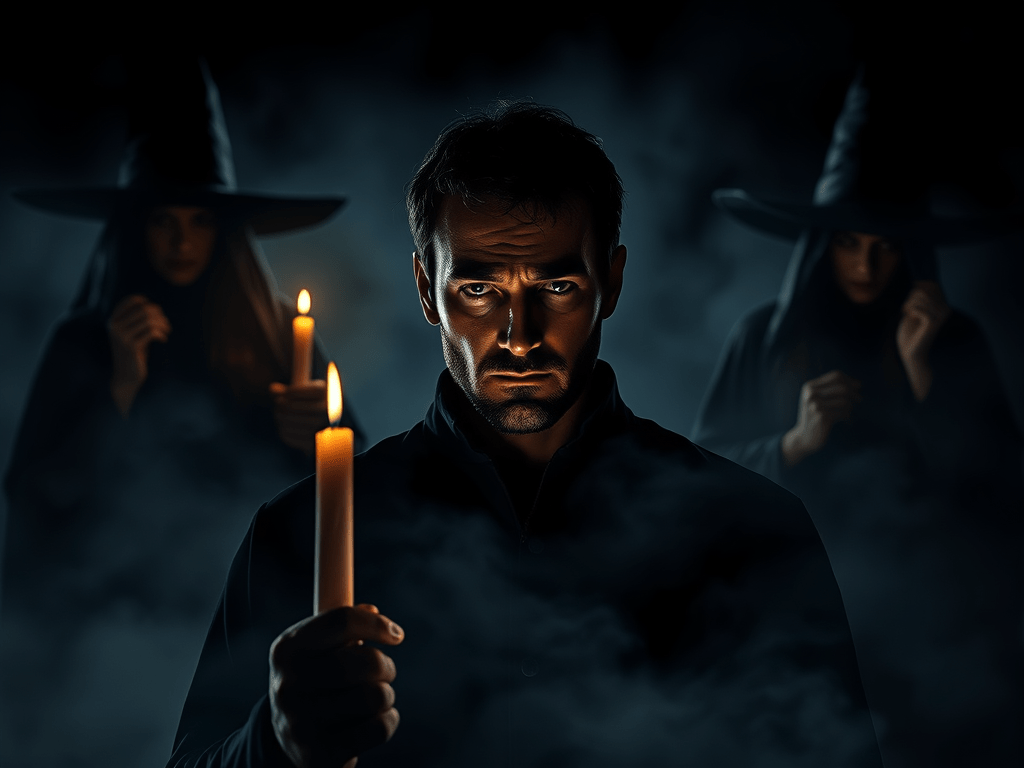
Introduction: The Timeless Question of Fate vs Free Will
One of the most compelling questions in Shakespeare’s Macbeth is whether the protagonist’s downfall is due to destiny. Alternatively, is it the result of his own choices? Does Macbeth succumb to an inescapable fate, or is he a victim of his ambition and flawed judgment? This blog delves into this tension. It examines how the witches’ prophecies influence the narrative. It also looks at Macbeth’s actions and how the concept of fate versus free will shapes the play.
Follow us on Instagram, Facebook and LinkedIn.
Book your online or in-person tuition session here.
Unlock our exclusive resources in our Mission Control hub.
FAQs: Understanding Fate vs Free Will in Macbeth
What is the main conflict between fate and free will in Macbeth?
The main conflict lies in whether Macbeth’s actions are predestined by the witches’ prophecies. Alternatively, they may be driven by his own choices and ambition.
Are the witches responsible for Macbeth’s downfall?
While the witches plant the seeds of ambition, they do not dictate Macbeth’s actions. His decisions ultimately lead to his demise.
How does Lady Macbeth influence the theme of free will?
Lady Macbeth manipulates Macbeth into acting against his better judgment, complicating the idea of free will by introducing external pressure.
What role does ambition play int he fate vs free will debate?
Ambition serves as the bridge between fate and free will. Macbeth’s ambition propels him to act on the witches’ prophecies, blurring the line between the two concepts.
Why is the theme of fate vs free will important for GCSE students?
This theme is central to understanding the moral and psychological complexity of Macbeth, offering rich material for analysis in essays.
Subscribe to get access
Read more of this content when you subscribe today.


Leave a reply to Macbeth Blog Series: Your Ultimate GCSE Guide – Apollo Scholars Cancel reply