
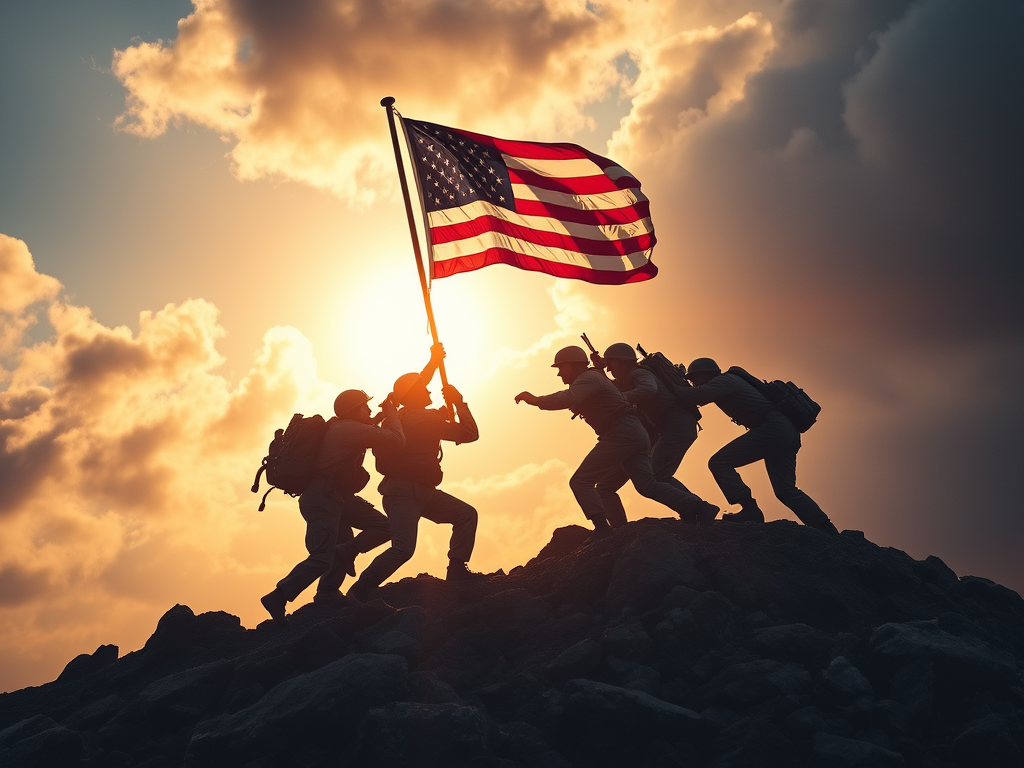
On 15 August 1945, the world witnessed the final chapter of World War II. Known as VJ Day (Victory over Japan Day), it marked the moment when Imperial Japan agreed to unconditional surrender, ending the war in the Pacific and bringing the Second World War to a close.
While VE Day in May 1945 celebrated the defeat of Nazi Germany, millions were still fighting in Asia and the Pacific. For people in Britain, the United States, the Commonwealth and occupied nations across Asia, VJ Day was the long-awaited sign that six years of global conflict had finally ended.
FAQs About VJ Day
What does VJ Day stand for?
VJ Day stands for Victory over Japan Day, marking Japan’s surrender and the official end of World War II in Asia on 15 August 1945.
Why is 15 August 1945 significant?
This date is when Japan announced its surrender, bringing an end to nearly six years of war in the Pacific and concluding World War II.
What events led to Japan’s surrender?
Japan surrendered after the atomic bombings of Hiroshima and Nagasaki on 6 and 9 August 1945, combined with the Soviet Union declaring war on Japan on 8 August 1945.
How was VJ Day celebrated around the world?
People across Allied nations celebrated with parades, public gatherings and ceremonies. In some countries, it became a day to honour both military service and peace.
Is VJ Day the same in every country?
No. While 15 August is widely recognised, some countries, like the U.S., commemorate it on 2 September – the day Japan officially signed the surrender documents aboard the USS Missouri.
The War in Asia Before VJ Day
World War II in Asia had begun years earlier than in Europe, with Japan’s invasion of China in 1937. By 1941, Japan had expanded across much of Southeast Asia and the Pacific, capturing territories from Malaya to the Philippines. The attack on Pearl Harbour in December 1941 brought the United States directly into the war.
The Pacific conflict was brutal, with fierce island-hopping campaigns, devastating air raids, and a refusal on both sides to surrender easily. Battles like Iwo Jima (February 1945) and Okinawa (April–June 1945) caused huge casualties and showed that an invasion of the Japanese mainland could be even bloodier.
The Road to Surrender
By mid-1945, Japan’s situation was desperate. Its navy was crippled, cities were destroyed by bombing raids and resources were running out. However, the Japanese government still refused unconditional surrender.
Two key events in August 1945 changed everything:
1. The Atomic Bombs
- Hiroshima – 6 August 1945: The United States dropped the first atomic bomb, “Little Boy,” killing an estimated 70,000–80,000 people instantly, with many more dying later from injuries and radiation.
- Nagasaki – 9 August 1945: The second bomb, “Fat Man,” killed around 40,000 people immediately. The destruction and suffering shocked the world.
2. Soviet Entry into the Pacific War
On 8 August 1945, the Soviet Union declared war on Japan, invading Manchuria and rapidly defeating Japanese forces there. This removed any hope Japan had of negotiating a peace settlement through Soviet mediation.
The Emperor’s Decision
On 15 August 1945, Emperor Hirohito addressed the Japanese people via radio. This was the first time the public had ever heard his voice. In his speech, he accepted the terms of the Potsdam Declaration, citing the “new and most cruel bomb” as a reason to end the war.
Although the formal surrender was signed on 2 September 1945 aboard the USS Missouri in Tokyo Bay, 15 August is remembered in many countries as VJ Day.
Celebrations Around the World
News of Japan’s surrender sparked scenes of joy across the globe:
- In London, crowds gathered in Trafalgar Square and outside Buckingham Palace, cheering the Royal Family.
- In the United States, New York’s Times Square saw famous scenes of sailors, soldiers, and civilians celebrating together.
- Across the Commonwealth and liberated nations in Asia, VJ Day meant the end of years of occupation, forced labour, and suffering.
Why VJ Day Matters for GCSE and A-Level History
Understanding VJ Day helps students place the end of World War II in a global context:
- End of the Deadliest War – Over 70 million people died in WWII. VJ Day brought peace after nearly a decade of fighting in Asia.
- Nuclear Age Begins – The atomic bombings of Hiroshima and Nagasaki opened a new chapter in warfare and ethics.
- Cold War Foundations – Soviet advances in Asia and the use of nuclear weapons shaped post-war tensions between the USA and USSR.
- Decolonisation – The end of Japanese occupation reignited independence movements across Asia, from Vietnam to Indonesia.
Key Exam Facts
| Topic | Details |
|---|---|
| Date of VJ Day | 15 August 1945 (Japan’s surrender announced) |
| Formal Surrender | 2 September 1945 (USS Missouri) |
| Main Causes of Surrender | Atomic bombings, Soviet invasion, military defeats, blockade |
| Significance | End of WWII globally, start of nuclear era, shift to Cold War |
VJ Day was not just the end of World War II in Asia; it was the start of a new era in world politics. It signalled the dawn of the nuclear age, accelerated decolonisation and marked the beginning of decades-long Cold War tensions. For GCSE and A-Level history students, it is an essential topic that connects military history with political, social and ethical questions that are still relevant today.
Leave a Reply to Raising The Flag on Iwo Jima: The History and Heroes Behind the Iconic Photo – Apollo ScholarsCancel reply