
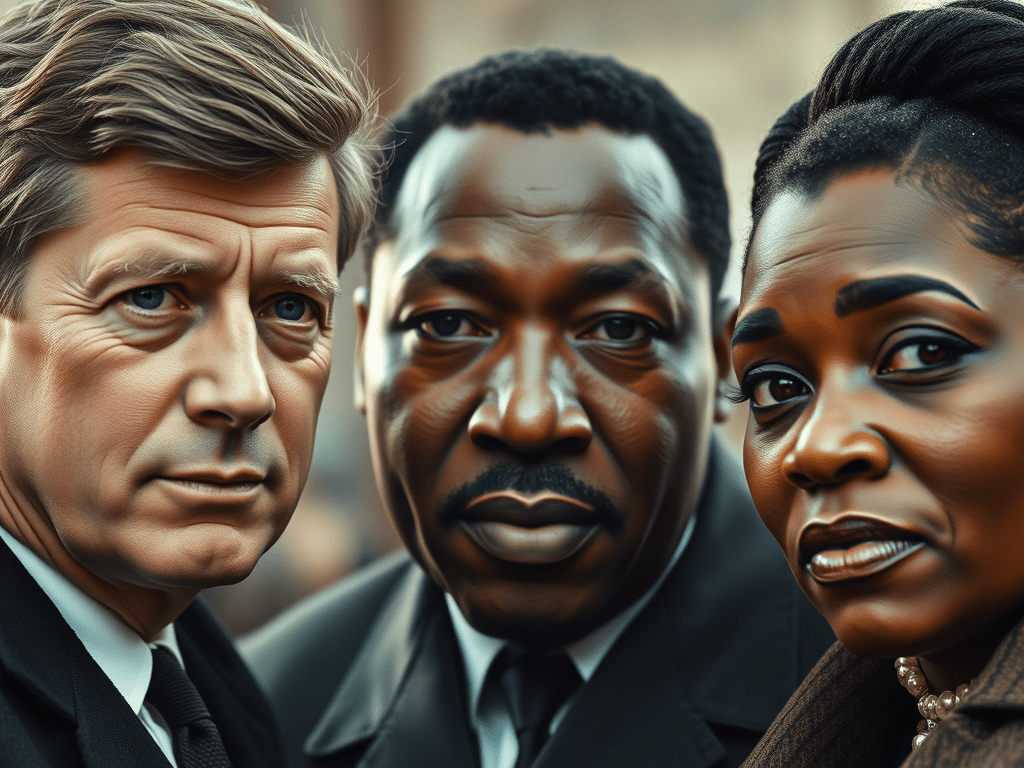
The 1960s in the United States were a decade of seismic change, social upheaval and political tension. Across the nation, citizens challenged entrenched inequalities, questioned traditional authority and demanded both social justice and global responsibility. Civil rights campaigns, youth activism, feminist awakening and the counterculture movement coincided with Cold War pressures and the intensifying Vietnam War.
Understanding this era is vital for students studying America’s transformation in the 20th century, illustrating how domestic activism, foreign policy and cultural change intersected.
FAQs: Understanding the Turbulent 1960s in America
Why are the 1960s considered a turbulent decade in US history?
The era was marked by major social movements, cultural revolutions, political assassinations and Cold War confrontations that shook American society.
What were the key achievements of the Civil Rights Movement?
Landmark victories included the Civil Rights Act (1964) and Voting Rights Act (1965), which outlawed segregation and protected African Americans’ voting rights.
How did American culture change in the 1960s?
The decade saw the rise of counterculture, youth activism, feminist and environmental movements and a new emphasis on music, art and individual freedom.
What Cold War crises defined the decade?
The Cuban Missile Crisis, the escalation of the Vietnam War and the nuclear arms race highlighted Cold War tensions.
How did the 1960s leave a lasting impact on America?
The decade reshaped politics, civil rights, foreign policy and cultural values, laying the groundwork for ongoing debates about equality, freedom and America’s role in the world.
Subscribe to get access
Read more of this content when you subscribe today.


Leave a reply to The Global Queen: Elizabeth II, Diplomacy and the Commonwealth – Apollo Scholars Cancel reply