
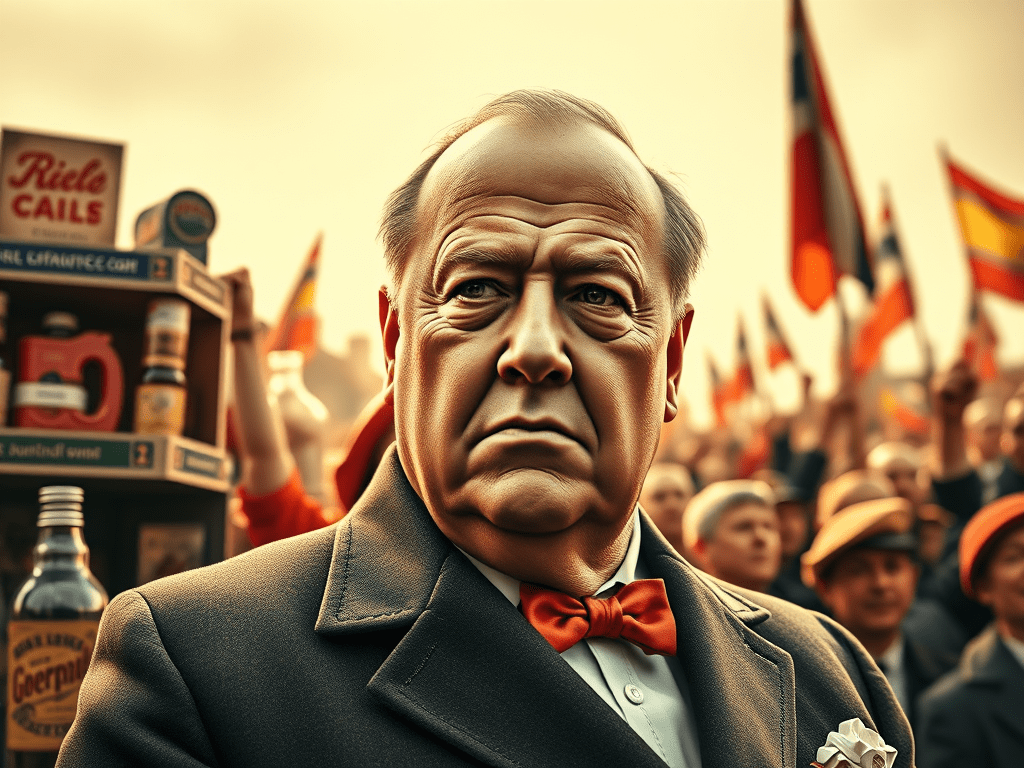
The Affluent Society, 1951–1964
The period between 1951 and 1964 is remembered as one of rising prosperity, rapid social change and prolonged Conservative dominance. Britain’s living standards improved, consumerism flourished, and the welfare state expanded. Yet beneath this “affluent society” lay serious economic weaknesses, divisive foreign policy events and a Labour opposition struggling with internal battles.
For GCSE and A-Level students, this period introduces key questions:
- Why did the Conservatives remain in power for 13 years?
- How “affluent” was Britain really?
- What challenges undermined prosperity and stability by 1964?
This blog will guide you through Conservative dominance, Labour’s divisions, domestic policies and the cracks that eventually led to Conservative defeat in 1964.
For model essay structures and detailed exam-style practice, check out our Comprehensive Revision Guide.

“The 1950s marked a period of rising affluence and optimism in Britain, with Conservative governments shaping post-war recovery while society began to change in fundamental ways. Yet beneath the surface, issues like class division, gender inequality and racial tensions persisted. This section guides students through the political, economic and social transformations of the era, helping you develop analytical insights.”
Matt
Founder, Apollo Scholars
FAQs: The Affluent Society, 1951–1964
Q1. Why did the Conservatives stay in power so long?
They leveraged divisions in the Labour Party, rising affluence and effective domestic policies, while presenting themselves as stable and competent.
Q2. What does “stop-go economics” mean?
It refers to alternating periods of expansion and restriction designed to manage inflation and trade deficits, but it created instability and hindered long-term planning.
Q3. Why was the Suez Crisis significant?
It marked the end of Britain’s role as a global superpower and highlighted dependence on the USA.
Q4. Was Britain really an “affluent society”?
While consumer goods and living standards improved, inequalities remained and economic weaknesses threatened long-term prosperity.
Q5. How did youth culture change society?
The rise of teenagers with disposable income created new fashions, music and attitudes, symbolising generational change.
Q6. Why did Britain fail to join the EEC in the early 1960s?
Although Macmillan applied, Charles de Gaulle vetoed Britain’s entry in 1963 due to concerns about its commitment and ties to the USA.
Q7. How important was the Profumo Affair?
It damaged the government’s reputation for integrity and showed the Conservatives as out of touch, contributing to their 1964 defeat.
Q8. How does this period fit into the Making of Modern Britain course?
It sets up key themes of prosperity vs decline, party politics and Britain’s changing global role, which continue into the 1960s and beyond.
Conservative Dominance: 1951–1964
From Churchill’s return in 1951 to Douglas-Home’s defeat in 1964, the Conservatives held power for over a decade. Their ability to win successive elections was due to a mixture of leadership, economic prosperity and Labour’s internal struggles.
- Winston Churchill (1951–1955): By this time, Churchill was elderly and ill, but his presence reassured voters. His government maintained the post-war consensus, prioritising full employment and welfare while navigating Cold War diplomacy.
- Anthony Eden (1955–1957): Eden was popular at first, but the 1956 Suez Crisis exposed Britain’s declining global role and destroyed his credibility, forcing his resignation.
- Harold Macmillan (1957–1963): “Supermac” enjoyed a reputation for prosperity, famously declaring in 1957, “most of our people have never had it so good.” He managed to win the 1959 election with a large majority, buoyed by consumer affluence.
- Alec Douglas-Home (1963–1964): Chosen after Macmillan’s resignation, Douglas-Home seemed out of touch and failed to modernise the party, losing to Labour’s Harold Wilson in 1964.
The Conservatives leveraged economic optimism and Labour’s weaknesses, but their hold on power weakened as scandals, economic fragility and leadership fatigue took their toll.
Labour’s Divisions
Labour entered opposition in 1951 after narrowly losing the election, despite winning more votes than the Conservatives. Internal divisions then plagued the party for over a decade.
- The Bevanite split: Aneurin Bevan, founder of the NHS, led the party’s left wing, demanding more socialism, nationalisation and unilateral nuclear disarmament.
- The Gaitskell leadership: After Clement Attlee retired in 1955, Hugh Gaitskell took over, but his opposition to nuclear disarmament alienated the left. The party was split between “Bevanites” and moderates.
- Clause IV and nationalisation: Arguments over Labour’s historic commitment to nationalisation (Clause IV of the constitution) divided activists and MPs.
Labour’s failure to present a united front made it easier for the Conservatives to appear as the party of competence and prosperity.
Subscribe to get access
Read more of this content when you subscribe today.


Leave a reply to The Making of Modern Britain: Social, Economic and Cultural Change Under Elizabeth II – Apollo Scholars Cancel reply