
Introduction
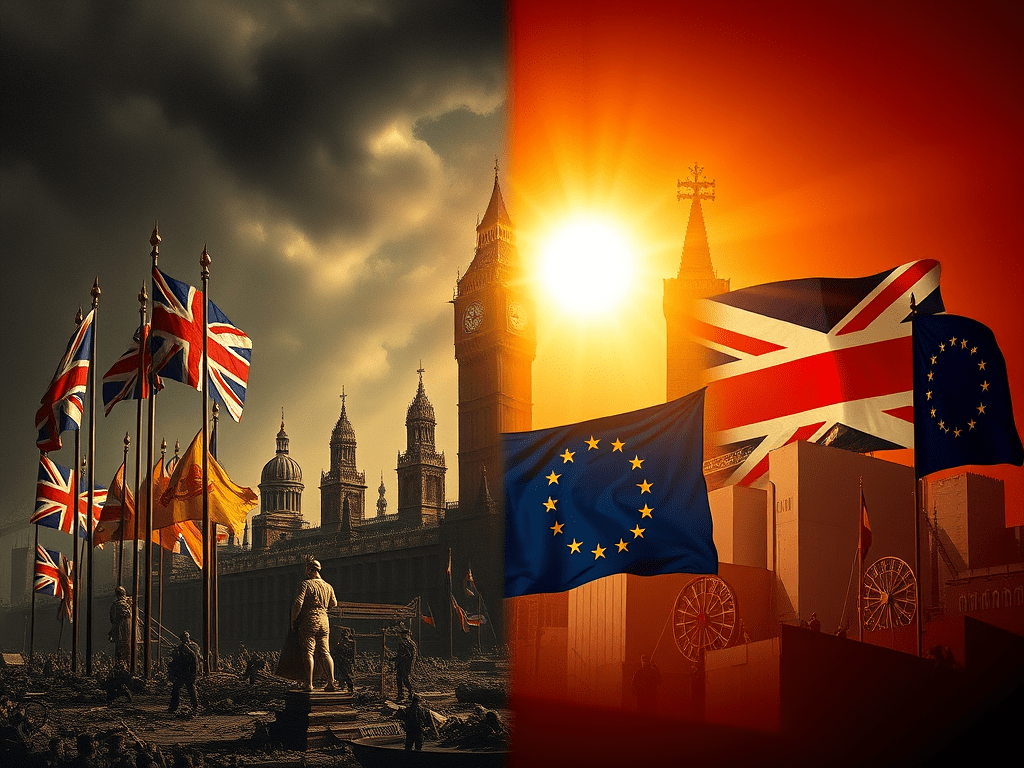
From 1951 to 2007, Britain’s place in the world underwent dramatic change. The country transitioned from an imperial power facing decolonisation to a modern nation navigating Europe, the USA and global conflicts. Political leaders across decades responded to economic pressures, global political shifts and social change, reshaping Britain’s international role.
This period is crucial for GCSE and A-Level students seeking to understand the evolution of British foreign policy, global influence and the tensions between national interest and international cooperation.

“When studying Britain’s shifting place in the world, you begin to see how the story of one nation reflects the wider transformation of the twentieth century. From empire to Europe, from Suez to Iraq, Britain was constantly redefining what power and influence meant in a changing global landscape. This guide does not just give you the facts. It helps you understand the connections, the turning points and the debates that examiners want to see in top-level answers. With structured analysis, exam strategies and exclusive resources, you will be equipped to master this challenging but fascinating part of Modern Britain. Knowledge of the past is never wasted; it shapes how we understand the present and prepare for the future.”
Matt
Founder, Apollo Scholars
Decolonisation: Ending the British Empire
The 1950s: Winds of Change
- After World War II, Britain faced immense economic strain, making it difficult to maintain colonies.
- The Suez Crisis (1956) marked a turning point, demonstrating Britain’s reduced global power and reliance on the USA.
- “Winds of Change” in Africa and Asia indicated that nationalist movements could no longer be suppressed by traditional imperial authority.
1960s–1970s: Independence Movements
- Nations in Africa, the Caribbean and Asia gained independence, including Kenya, Jamaica and Malaysia.
- Britain shifted from direct control to economic and diplomatic influence, focusing on trade and Commonwealth relationships.
- Decolonisation was both a political necessity and a moral response to rising anti-colonial sentiment worldwide.
Subscribe to get access
Read more of this content when you subscribe today.


Leave a reply to The Making of Modern Britain, 1951–2007: Complete Study Guide – Apollo Scholars Cancel reply