
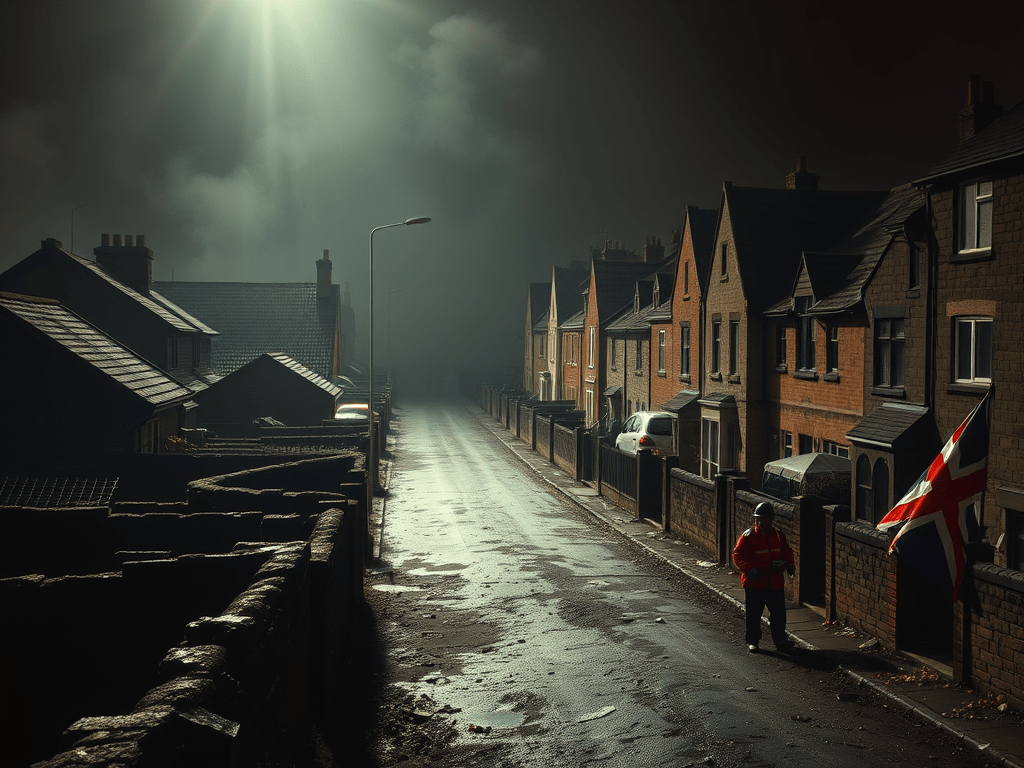
The Turning Point in the Troubles
By 1972, Northern Ireland was at a breaking point. What began as a civil rights movement for equality and fair treatment had become a period of widespread tension and mistrust between communities.
On 30 January 1972, a peaceful protest march in Derry (Londonderry) ended in tragedy when a confrontation between soldiers and demonstrators led to 14 people losing their lives. This event, later known as Bloody Sunday, became one of the most defining and painful moments of the Troubles.

“Bloody Sunday reminds us that behind every headline in history are real people whose stories deserve to be heard. Understanding it helps students explore how conflict, truth and justice shape modern societies.”
Matt
Founder, Apollo Scholars
Why Was There a Civil Rights March in Derry?
By the late 1960s, Northern Ireland’s Catholic minority had protested against discrimination in housing, voting rights and employment.
The Northern Ireland Civil Rights Association (NICRA) organised marches calling for reform and equality.
However, the government’s decision to introduce internment without trial in 1971, detaining suspected members of paramilitary organisations, heightened tensions.
When NICRA planned a march in Derry in January 1972, the authorities banned it, fearing unrest. Despite the ban, thousands gathered peacefully to call for reform.
What Happened on Bloody Sunday?
On the afternoon of 30 January 1972, demonstrators marched through the Bogside area of Derry. As the crowd approached Free Derry Corner, the British Army’s 1st Battalion, Parachute Regiment moved in to make arrests.
Amid confusion, soldiers opened fire, resulting in civilian casualties. Within minutes, 14 people lost their lives. Many of those affected were unarmed and either fleeing or assisting others.
Journalists and eyewitnesses recorded scenes that drew international attention and sympathy. For many in Northern Ireland, it significantly weakened public trust in the British government.
Immediate Aftermath and Political Reactions
The British government quickly announced an inquiry, the Widgery Tribunal (1972), which largely cleared the soldiers of blame, stating they had been attacked first. However, many in Northern Ireland questioned its findings.
The event deepened political divisions, and some individuals were drawn to armed organisations active at the time. 1972 became the most dangerous year of the Troubles, with nearly 500 casualties reported.
The British government responded by suspending Stormont (Northern Ireland’s parliament) and introducing Direct Rule from London, highlighting the depth of the political crisis.
The Saville Inquiry and Long Road to Justice
Decades later, growing public pressure led to a new inquiry in 1998, chaired by Lord Saville of Newdigate. After 12 years of hearings and thousands of witness statements, the Saville Report (2010) concluded that:
- The victims were unarmed and posed no threat.
- The soldiers’ actions were “unjustified and unjustifiable.”
- Some accounts were later found to be inaccurate.
Following the report, Prime Minister David Cameron issued a formal apology on behalf of the British government, stating that “what happened on Bloody Sunday was both unjustified and unjustifiable.”
This moment, broadcast live to the people of Derry, brought emotional scenes of relief and vindication, even decades after the tragedy.
How Bloody Sunday Changed the Troubles
Bloody Sunday became a symbol of injustice. It deepened divisions, but it also inspired generations to demand truth and accountability.
The event shifted global opinion with international media coverage raising awareness of the conflict.
Bloody Sunday shaped future efforts at peace and reconciliation, influencing how later governments approached apology and reform.
What Can Students Learn from Bloody Sunday?
Studying Bloody Sunday helps students explore:
- How protests and state power interact during times of tension
- The importance of independent investigation and accountability
- How historical events can be re-examined through evidence and empathy
It also challenges learners to think critically about justice and the long-term impact of political decisions.
Conclusion: The Legacy of Bloody Sunday
Today, the story of Bloody Sunday remains central to Northern Ireland’s journey from conflict to peace.
The lessons of 1972 still resonate: that accountability and empathy must guide leadership in times of division.
Next and Previous Blogs
Previous: The Troubles in Northern Ireland: Origins of Conflict and Civil Rights (1968–1971)
Next: The Long War: The IRA, Loyalists and the Struggle for Control
Explore the Full Series:
The Troubles in Northern Ireland: Origins and Civil Rights (1968–1971)
Bloody Sunday 1972: What Happened and Why It Changed Northern Ireland
The Long War: The IRA, Loyalists and the Struggle for Control
The Anglo-Irish Agreement and Political Shifts (1985–1993)
The Good Friday Agreement: Peace in Our Time? (1998)
Legacy, Reconciliation and the Future of Northern Ireland (1998–Present)
Note: This article examines historical events for educational purposes. It aims to encourage understanding, empathy and critical thinking about how conflict and reconciliation shape societies.


Leave a reply to The Legacy of The Troubles: Memory, Justice and Reconciliation – Apollo Scholars Cancel reply