

Today, 36 years ago, on a cold November night in 1989, the world watched as history unfolded in Berlin. The Berlin Wall, a barrier that had divided a city, a nation and a continent for 28 years, finally crumbled. Families reunited, strangers embraced and a symbol of oppression gave way to hope, marking one of the most symbolic and seismic events in modern European history. Tonight, we remember not only the fall of a wall but the triumph of human courage, unity and the enduring desire for freedom.
Why Was the Berlin Wall Built?
When the Second World War ended in 1945, Germany was divided between the Allied powers; the United States, Britain, France and the Soviet Union. Berlin, though deep inside the Soviet zone, was also partitioned.
In the years that followed, the divide widened. The West rebuilt with democracy and investment; the East remained under authoritarian rule. By 1961, millions of East Germans had fled to the West through Berlin. To halt this exodus, the East German regime constructed the Berlin Wall, first as barbed wire, then concrete, overnight on 13 August 1961.
What began as a “temporary security measure” became the defining symbol of the Cold War, a concrete metaphor for fear, division and ideological paralysis.
How Did the Berlin Wall Symbolise a Divided World?
The Berlin Wall was not merely a physical barrier; it was the front line of two competing visions of humanity.
On one side stood liberal democracy, on the other, Soviet communism. For 28 years, the Wall separated not only East from West but truth from propaganda, hope from resignation.
At least 140 people died trying to cross it. Thousands more were imprisoned for attempting to leave. Yet, even amid such bleakness, Berliners found ways to resist, through art, music and courage in the quietest acts of defiance.
What Did John F. Kennedy’s “Ich Bin Ein Berliner” Really Mean?
In June 1963, U.S. President John F. Kennedy made a historic visit to West Berlin, a city standing as an island of freedom amid the shadow of the Berlin Wall. Speaking to a crowd of hundreds of thousands at Rathaus Schöneberg, he delivered a speech that remains one of the most iconic moments of the Cold War.
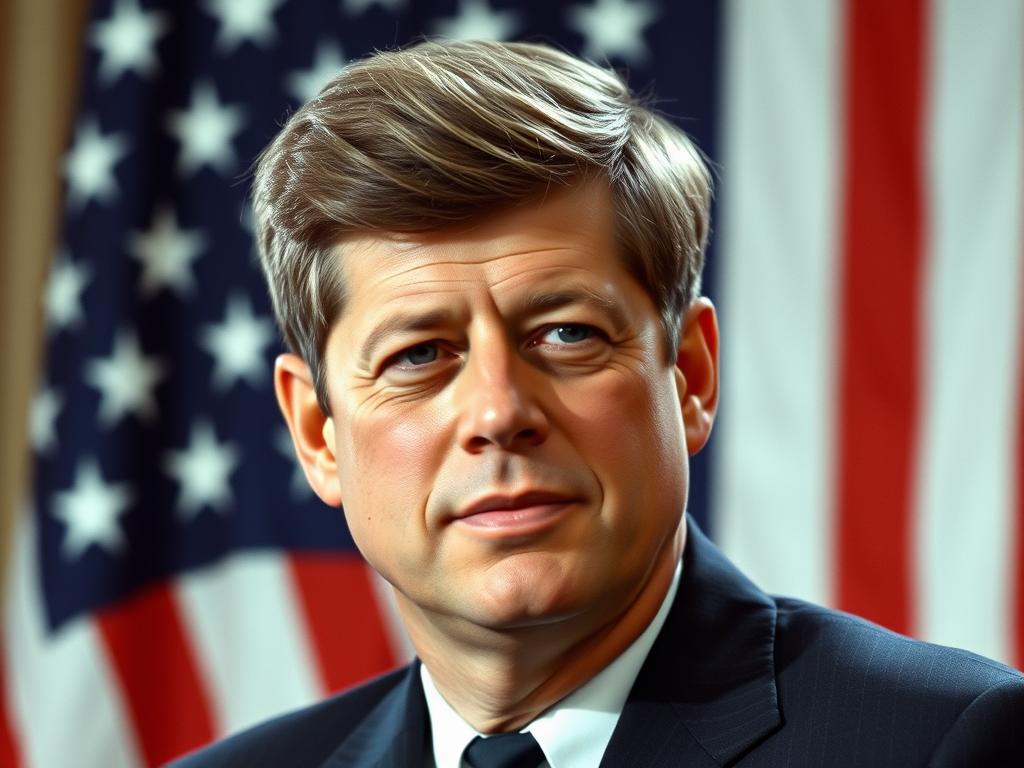
Kennedy famously declared:
“Ich bin ein Berliner” – I am one with the people of Berlin.
However, his message went further, directly challenging the idea that communism could succeed or that the West could compromise with oppression. He said:
“There are many people in the world who really don’t understand, or say they don’t, what is the great issue between the free world and the Communist world. Let them come to Berlin.
There are some who say that communism is the wave of the future. Let them come to Berlin.
And there are some who say in Europe and elsewhere we can work with the Communists. Let them come to Berlin.
And there are even a few who say that it is true that communism is an evil system, but it permits us to make economic progress. Let them come to Berlin.”
Kennedy’s words were both a declaration of solidarity and a moral challenge. They reminded the citizens of Berlin, and the world, that freedom and courage would endure even in the shadow of oppression. The Wall, he implied, could not contain the human spirit.
Why Did Ronald Reagan Demand: “Mr. Gorbachev, Tear Down This Wall”?
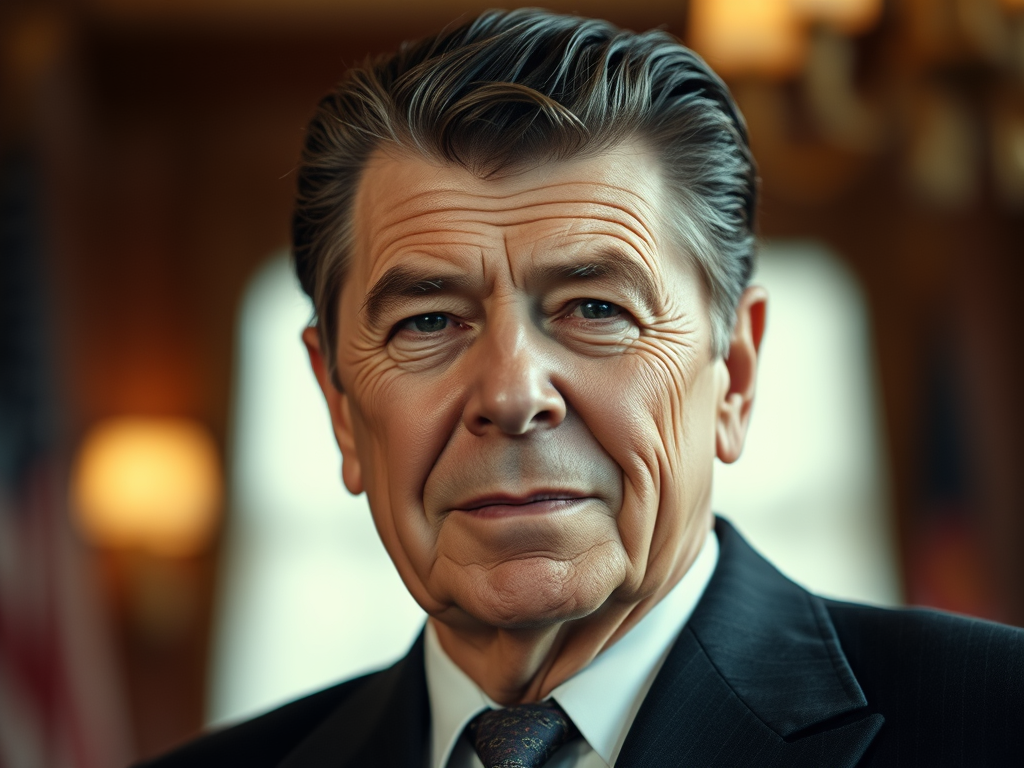
Nearly a generation later, on 12 June 1987, President Ronald Reagan stood at the Brandenburg Gate, the Wall rising behind him like a shadow. His challenge to Soviet leader Mikhail Gorbachev echoed through history:
“Mr. Gorbachev, tear down this wall!”
By then, the Soviet Union was weakening. Gorbachev’s reforms — glasnost (openness) and perestroika (restructuring) — had begun to loosen control. Reagan’s words were more than diplomacy; they were a clear moral call: history belongs to those who build bridges, not walls.
How Did the Berlin Wall Fall on 9 November 1989?
In 1989, revolutions swept across Eastern Europe. Poland’s Solidarity movement triumphed. Hungary opened its borders. In East Germany, mass protests filled the streets of Leipzig and Dresden, demanding freedom and reform.
Then came an extraordinary mistake: on 9 November 1989, an East German official, Günter Schabowski, announced that citizens could cross the border “immediately.” Crowds surged toward the checkpoints.
Border guards, uncertain and overwhelmed, stood aside. Gates opened.
And suddenly, after 28 years, Berlin was one again.
People climbed the Wall, wept, sang and began to tear it apart with hammers and bare hands. No one had planned it. No army had ordered it. The Wall fell because the world was ready for it to fall.
What Happened After the Wall Fell?
The fall of the Berlin Wall was not just the end of a structure, it was the end of an era. Within a year, Germany was reunified on 3 October 1990.
Within two years, the Soviet Union itself collapsed, and the Cold War, that long global stalemate, was over.
The balance of the world shifted almost overnight. New democracies emerged. Old ideologies faded. Europe began to breathe as one again.
Why the Fall of the Berlin Wall Still Matters
The fall of the Wall remains one of the most symbolic and seismic events in modern European history; a moment when the impossible became inevitable. It showed that no government, no ideology and no wall can permanently imprison the human desire for freedom.

“The fall of the Berlin Wall was more than the destruction of a physical barrier; it showed that the divisions we thought were permanent could change. It reminded us that history is shaped not by those who build walls, but by those who take action and refuse to be limited by them.”
Matt
Founder, Apollo Scholars
The Enduring Lesson of 1989
The story of the Berlin Wall is both warning and hope. It warns of what fear can build and shows what courage can destroy.
Its fall reminds us that history bends toward openness, and that every generation has its own walls to challenge.
On that cold November night in 1989, Berlin became more than a city. It became a symbol of the resilience of people, and of freedom’s quiet, unstoppable strength.

Leave a comment