
What Was “The Long War” in Northern Ireland?
By the early 1970s, Northern Ireland had entered a long and difficult chapter of history known as “The Troubles.” After years of discrimination, protests and violent clashes, the country became divided along political and religious lines.
The phrase “The Long War” refers to the extended period from the early 1970s through the 1980s when conflict, political deadlock and military operations dominated life in Northern Ireland. Although not a traditional war, it was a long struggle for control and identity, with communities caught between the pursuit of Irish unity and the defence of British rule.
Why Did Paramilitary Groups Like the IRA and Loyalists Emerge?
As violence escalated, paramilitary organisations appeared on both sides of the divide.
- The Provisional Irish Republican Army (IRA) sought to end British control in Northern Ireland and create a united Ireland.
- Loyalist groups, including the Ulster Volunteer Force (UVF) and Ulster Defence Association (UDA), aimed to keep Northern Ireland part of the United Kingdom.
Most people in Northern Ireland did not support violence. Communities often suffered as a result of actions by these groups, and many citizens called for political rather than military solutions.
How Did the British Army and Police Respond During the Troubles?
The British Army, originally sent in 1969 to maintain peace, remained in Northern Ireland for decades. The Royal Ulster Constabulary (RUC) handled local policing, though relations with the nationalist community were often strained due to perceptions of bias.
Security operations, curfews and checkpoints became part of daily life. While these measures aimed to prevent attacks, they sometimes deepened mistrust and increased tension between communities.
What Was the Sunningdale Agreement, and Why Did It Fail?
In 1973, political leaders from both traditions attempted to share power through the Sunningdale Agreement. It proposed a cross-community government and a new Council of Ireland to promote cooperation between north and south.
However, opposition from hardline unionists and a Loyalist-organised strike in 1974 caused the agreement to collapse. Despite this failure, it laid early groundwork for the later Good Friday Agreement by showing that power-sharing was possible.
What Was Everyday Life Like During the Troubles?
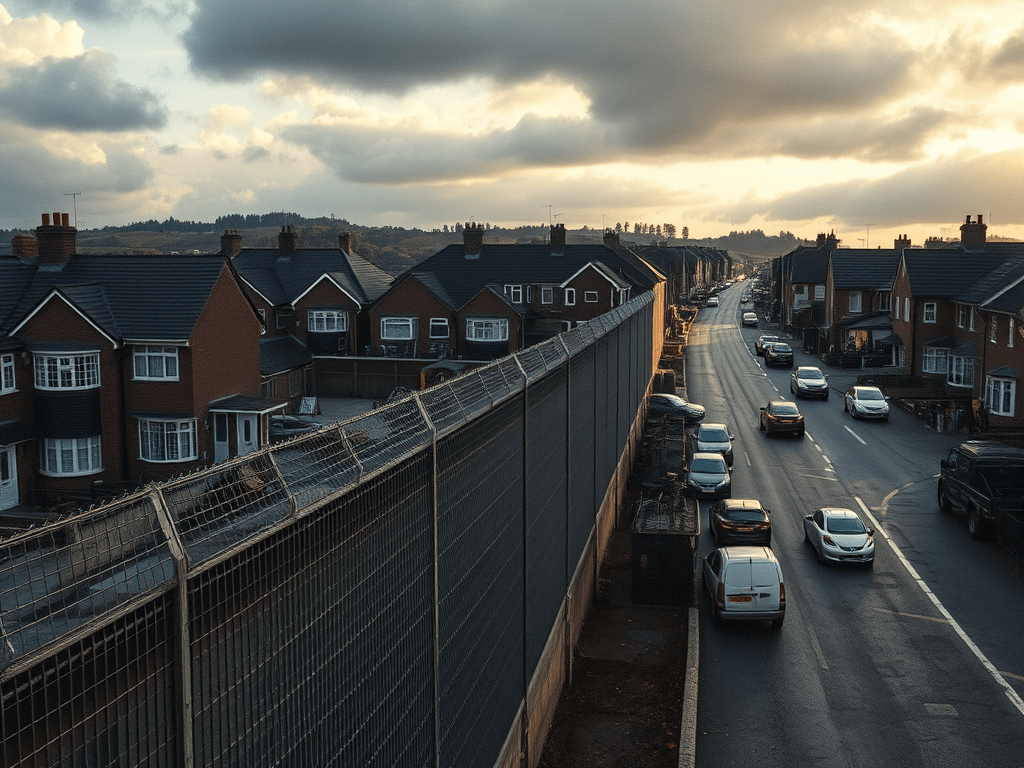
For many people, life continued under extraordinary circumstances. In cities like Belfast and Derry, neighbourhoods were divided by peace walls, barriers built to prevent clashes. Military patrols, searches and roadblocks were common sights.
Yet, daily routines carried on. Schools taught lessons, businesses opened and families tried to protect a sense of normal life. Community leaders, churches and teachers played a key role in promoting understanding and rejecting hatred.
What Were the 1981 Hunger Strikes, and Why Were They Important?
The 1981 hunger strikes were a turning point in the conflict. Republican prisoners demanded political status rather than being treated as ordinary criminals. Ten men died during the strikes, including Bobby Sands, who was elected to Parliament while imprisoned.
The strikes gained international attention and significantly changed public opinion. They encouraged many republicans to pursue political change through elections rather than through violence, leading to the rise of Sinn Féin as a political force.
How Did the Troubles Affect Politics in the 1980s?
During the 1980s, the violence continued but so did political discussion. Many people realised that neither side could win militarily. The British and Irish governments began exploring diplomatic cooperation, which led to the Anglo-Irish Agreement in 1985.
This agreement gave the Republic of Ireland a formal advisory role in Northern Ireland’s affairs for the first time. Though controversial, it marked a step toward recognising that lasting peace would require both British and Irish involvement.
What Were the Human and Social Costs of the Long War?
The human cost of The Troubles was enormous. Thousands of people were killed or injured, and families across all communities experienced loss and trauma.
The conflict left psychological, social and economic scars that lasted long after the violence eased. However, it also inspired countless peace activists, teachers and community workers who helped rebuild trust and promote reconciliation.
How Did the Long War Lead Toward Peace?
By the late 1980s, many people, in government and on the streets, understood that peace was the only way forward. Secret talks, new political ideas and grassroots peace movements paved the way for progress.
This slow transformation set the stage for the Good Friday Agreement of 1998, which finally established power-sharing and helped bring an end to decades of division.

“Understanding The Troubles is not just about studying conflict, it is about learning how communities find the strength to rebuild and reconcile. History should remind us that even in the darkest times, peace is possible through empathy, education and dialogue.”
Matt
Founder, Apollo Scholars
Summary: What Can We Learn from The Long War?
The Long War showed that violence could not achieve lasting peace, and that genuine change required compromise and courage. For GCSE and A-Level students, this period illustrates the importance of dialogue, democracy and shared understanding in overcoming deep historical conflicts.
Northern Ireland’s story reminds us that even the longest conflicts can end, not through victory, but through peace.
Key Terms for GCSE and A-Level Revision
| Term | Definition |
|---|---|
| The Troubles | A conflict in Northern Ireland from the late 1960s to the 1990s involving political and sectarian divisions. |
| IRA (Irish Republican Army) | A republican paramilitary group aiming for Irish unity and an end to British rule. |
| Loyalists / Unionists | Groups and individuals who supported Northern Ireland remaining part of the UK. |
| RUC (Royal Ulster Constabulary) | The police force in Northern Ireland during The Troubles. |
| Sunningdale Agreement (1973) | An early power-sharing proposal that collapsed after strong opposition. |
| Hunger Strikes (1981) | Protests by republican prisoners demanding political status. |
Continue the Series: The Troubles in Northern Ireland
Explore our complete blog series tracing the causes, conflict and consequences of The Troubles in Northern Ireland.
Previous Blog:
← Civil Rights, Bloody Sunday and the Descent into Violence
Discover how peaceful protests turned to tragedy and marked the beginning of Northern Ireland’s decades-long conflict.
Current Blog:
The Long War: The IRA, Loyalists, and the Struggle for Control
Learn how political deadlock, paramilitary action, and community resilience shaped Northern Ireland through the 1970s and 1980s.
Next Blog:
→ Politics, Peace Talks and the Anglo-Irish Agreement
Find out how diplomacy and political pressure in the 1980s began to open a path toward lasting peace.
The Troubles Blog Series – Full Guide
Roots of Conflict: Ireland’s Division and the Road to the Troubles
Civil Rights, Bloody Sunday and the Descent into Violence
The Long War: The IRA, Loyalists, and the Struggle for Control (you are here)
Politics, Peace Talks and the Anglo-Irish Agreement
The Good Friday Agreement: A New Dawn for Northern Ireland
The Legacy of The Troubles: Memory, Justice and Reconciliation


Leave a reply to Politics, Peace Talks and the Anglo-Irish Agreement – Apollo Scholars Cancel reply