
Introduction
Although the Good Friday Agreement (1998) ended decades of violence, the legacy of The Troubles continues to shape Northern Ireland. Communities still deal with trauma, divided identities and political tension.
Understanding this legacy helps students explore the long-term social, political and cultural impacts of conflict and how societies work to rebuild after violence.
How Are Victims and Memories of The Troubles Honoured?
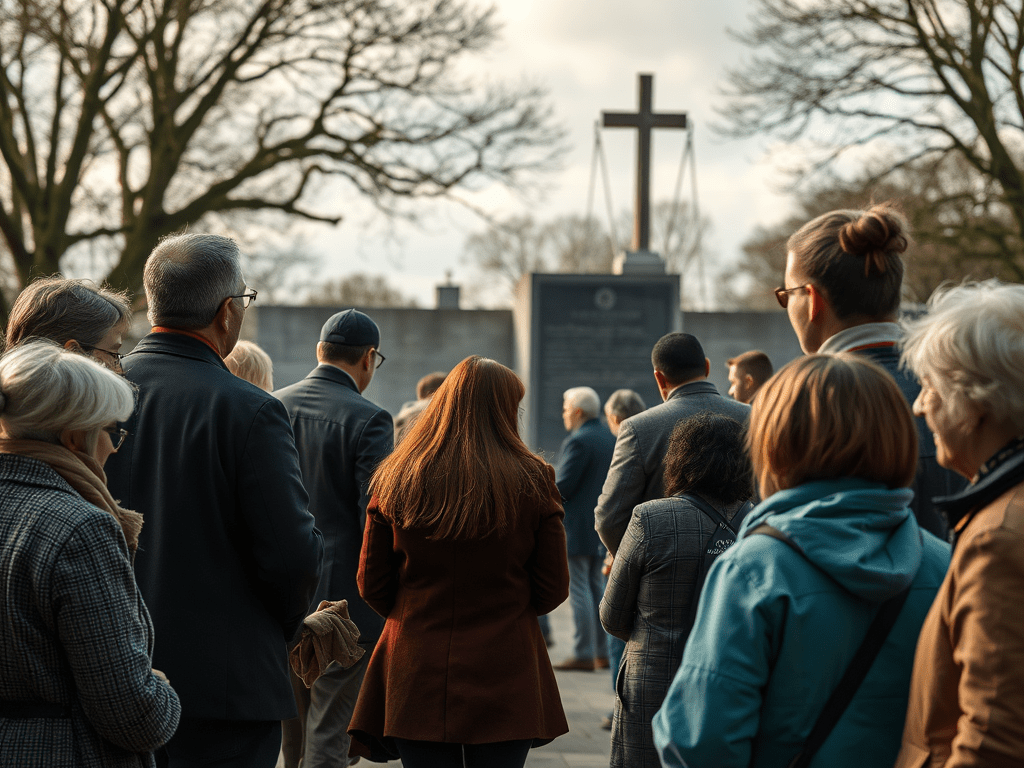
Victims of The Troubles are remembered through:
- Memorials and plaques across towns and cities.
- Community events marking anniversaries of key events, such as Bloody Sunday.
- Educational schemes teaching young people about the conflict.
These efforts help communities recognise suffering while fostering a culture of remembrance and reflection.
What Role Does Justice Play in Northern Ireland Today?
Justice in post-conflict Northern Ireland is complex:
- Historical inquiries investigate unresolved deaths and crimes.
- Legal proceedings address paramilitary activities and human rights violations.
- Efforts aim to balance accountability with reconciliation, so society can move forward without perpetuating old grievances.
Justice initiatives help build trust in institutions and reinforce the principles of the Good Friday Agreement.
How Do Peace Walls and Community Divisions Affect Society?
Many areas still have peace walls, which physically separate Protestant and Catholic communities. While these walls:
- Reduce immediate tensions
- They also highlight ongoing divisions and the challenges of full integration
Community projects now encourage cross-community engagement, dialogue and shared spaces to gradually break down these barriers.
How Does Northern Ireland Continue to Work Toward Reconciliation?
Reconciliation involves:
- Education schemes teaching conflict resolution and history in schools.
- Community partnerships promoting shared activities and dialogue.
- Youth engagement projects to empower the next generation to choose cooperation over division.
These initiatives show that peace is an ongoing process, requiring effort from government, communities and individuals.

“The legacy of The Troubles reminds us that ending conflict is only the first step. True peace comes from remembering the past, ensuring justice and committing to dialogue. Students can learn valuable lessons about resilience and reconciliation from Northern Ireland’s journey.”
Matt
Founder, Apollo Scholars
Key Terms for GCSE and A-Level Students
| Term | Definition |
|---|---|
| The Troubles | Period of conflict in Northern Ireland from the late 1960s to 1998. |
| Peace walls | Physical barriers separating Protestant and Catholic communities. |
| Decommissioning | The process of paramilitary groups giving up weapons. |
| Reconciliation | Process of rebuilding trust and relationships after conflict. |
| Historical inquiries | Official investigations into past violent events and deaths. |
Continue the Series: The Troubles in Northern Ireland
Previous Blog:
← The Good Friday Agreement: A New Dawn for Northern Ireland
Explore how the 1998 peace deal ended decades of violence and created a power-sharing government.
Current Blog:
⚖️ The Legacy of The Troubles: Memory, Justice, and Reconciliation
Examine how Northern Ireland continues to deal with the social, political, and cultural impacts of The Troubles.
The Troubles Blog Series – Full Guide
Roots of Conflict: Ireland’s Division and the Road to the Troubles
Civil Rights, Bloody Sunday and the Descent into Violence
The Long War: The IRA, Loyalists and the Struggle for Control
Politics, Peace Talks and the Anglo-Irish Agreement
The Good Friday Agreement: A New Dawn for Northern Ireland
The Legacy of The Troubles: Memory, Justice and Reconciliation (you are here)


Leave a reply to The Troubles in Northern Ireland: Conflict, Peace and Legacy – Apollo Scholars Cancel reply