
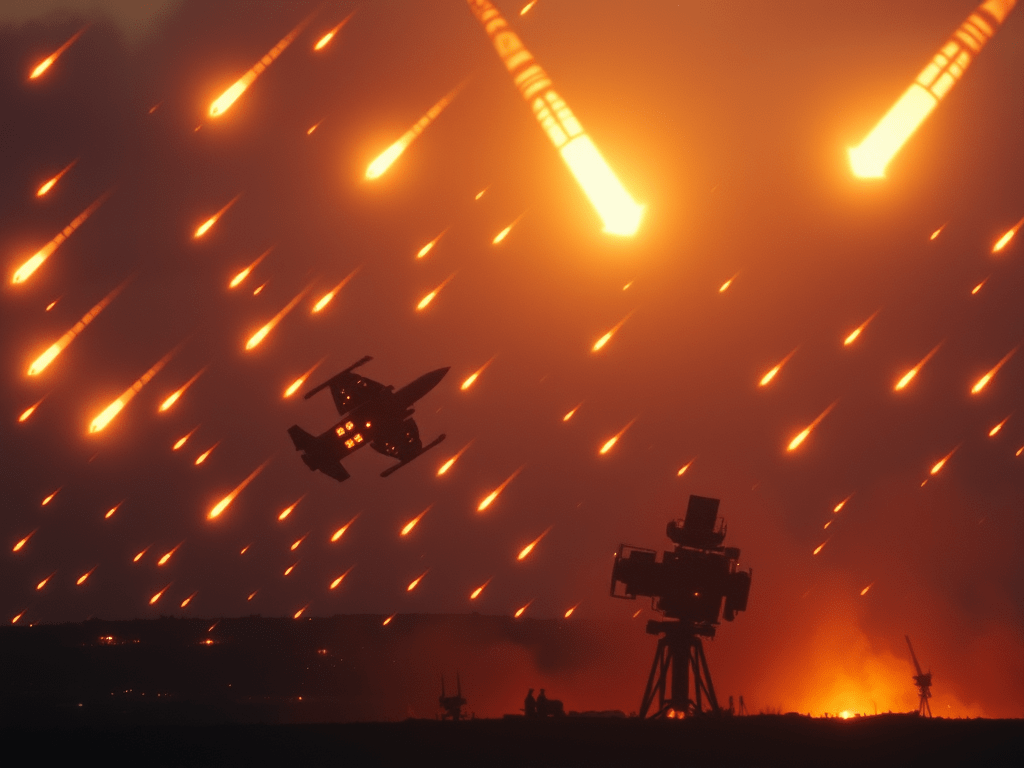
Missile defence systems are often mentioned in the news, but they are rarely explained in a way that is easy to understand. Israel’s Iron Dome is one of the most well-known examples, yet many students only learn what it does, not how it was developed, what it costs, or why it matters beyond interception.
This guide looks beyond the basics. It explores the key questions students are most likely to ask: who built the Iron Dome, why it was created, how effective it really is and where its limits lie. By examining these questions together, students can develop a deeper understanding of modern conflict, state security and the real-world trade-offs governments face.
Whether you are revising for GCSE Geography, A-Level Politics, or A-Level Economics, this blog turns a complex global issue into clear, exam-ready knowledge.
New to the topic? Start with our full overview here: Israel’s Iron Dome Explained
Who Invented the Iron Dome and Why Was It Created?
The Iron Dome was developed by Rafael Advanced Defence Systems, an Israeli defence company, with financial and technical support from the United States.
It was created to deal with a very specific problem: frequent short-range rocket attacks that gave civilians only seconds to find shelter.
The main aims were to:
- Reduce civilian casualties
- Protect major towns and cities
- Limit the need for immediate military retaliation
This focus on civilian protection is what makes the Iron Dome different from many other military systems.
How Much Does the Iron Dome Cost?
The Iron Dome is effective, but expensive.
- Each Tamir interceptor missile costs roughly £40,000–£80,000
- The rockets it destroys often cost far less
- Radar systems, batteries and maintenance add to long-term costs
This creates a key economic issue for governments: defence is often far more expensive than attack.
The United States provides significant funding support.
Is the Iron Dome Worth the Money?
Supporters argue the Iron Dome is worth the cost because it:
- Saves lives
- Protects infrastructure
- Reduces pressure for large-scale military responses
Critics argue that:
- Long conflicts become financially draining
- Money could be spent on healthcare, education, or housing
- Defence spending has clear opportunity costs
This debate makes the Iron Dome a strong A-Level Economics case study.
What Are the Main Limitations of the Iron Dome?
Despite its success, the Iron Dome has important limitations:
- It cannot intercept long-range ballistic missiles
- Large-scale attacks can overwhelm the system
- It only protects a limited geographic area
- It relies on constant funding and upgrades
Therefore, it works best as one part of a wider defence strategy, not as a standalone solution.
Related Blog: How Does the Iron Dome Fit into Israel’s Wider Defence Strategy?
Does the Iron Dome Prevent War?
The Iron Dome reduces casualties, but it does not solve the underlying causes of conflict.
Some argue it:
- Saves lives
- Buys time for diplomacy
Others argue it:
- Reduces pressure for political solutions
- Allows conflicts to continue longer
This makes it ideal for evaluation questions in Politics and Geography, where students must consider both sides.
Related Blog: How Effective Is the Iron Dome in Real Conflicts?
How Does the Iron Dome Compare to Other Missile Defence Systems?
The Iron Dome focuses on short-range threats, which makes it different from many other systems.
For example:
- Patriot missile system: aircraft and larger missiles
- David’s Sling: medium-range threats
- Arrow system: long-range ballistic missiles
The Iron Dome is unique because it:
- Prioritises populated areas
- Ignores rockets predicted to land in open fields
- Focuses heavily on civilian protection
This targeted approach improves efficiency but limits its range of use.
Why Is This Important for GCSE and A-Level Students?
This topic allows students to:
- Analyse advantages and disadvantages
- Evaluate cost vs benefit
- Discuss state security and conflict management
It supports:
- GCSE Geography and History
- A-Level Politics
- A-Level Economics
Using one well-explained case study across subjects is a smart revision strategy.
Read the full series here:
- Who Invented The Iron Dome And How Was It Developed?
- How Effective Is The Iron Dome In Real Conflicts?
- How Does The Iron Dome Intercept Rockets?
- How Does The Iron Dome Fit Into Israel’s Wider Defence Strategy?
- Why Should GCSE And A-Level Students Learn About The Iron Dome?
- How Was The Iron Dome Developed And What Are Its Wider Impacts?

“When students explore both the strengths and limitations of real-world systems, they develop the critical thinking skills examiners are looking for in essays. The Iron Dome is a powerful example of that balance.”
Matt,
Founder, Apollo Scholars
Key Takeaways
- The Iron Dome was designed to protect civilians from short-range rockets
- It is effective but expensive
- It has clear limitations and cannot prevent conflict on its own
- It works best as part of a layered defence strategy
- A high-value case study for GCSE and A-Level exams


Leave a reply to How Does the Iron Dome Intercept Rockets? – Apollo Scholars Cancel reply