
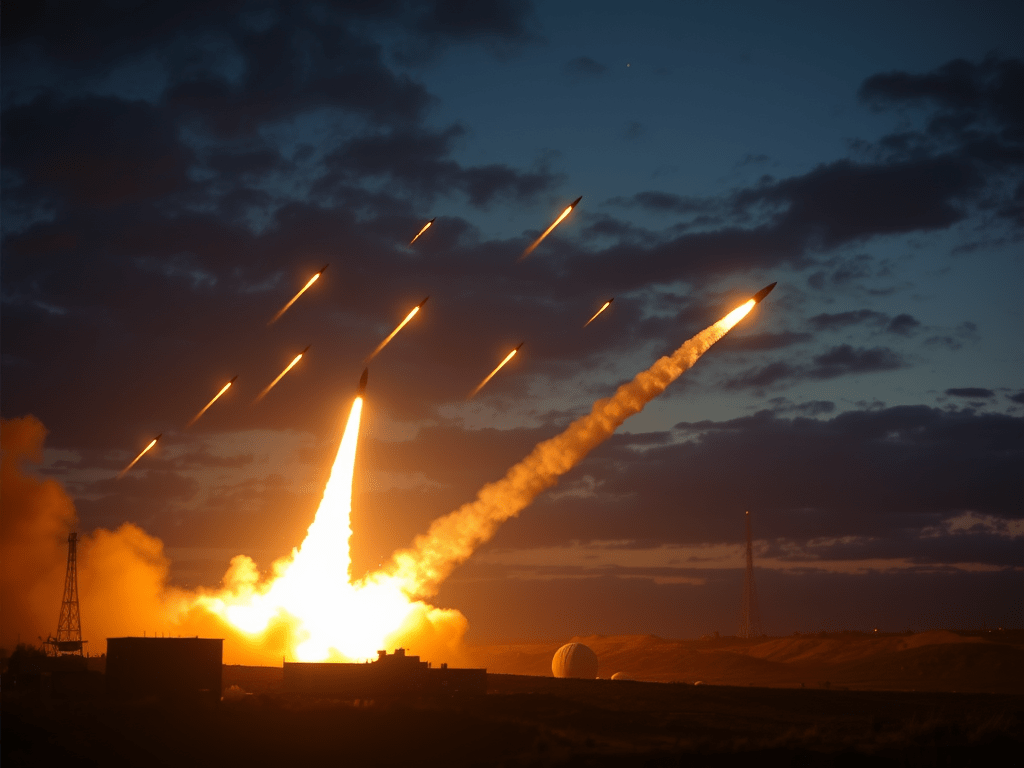
Israel’s Iron Dome is famous worldwide for protecting civilians from rocket attacks. How well does it actually work in real-life situations? This Q&A guide breaks it down clearly for GCSE and A-Level students.
To understand how the Iron Dome works and its development, check out our pillar blog on Israel’s Iron Dome.
What Is the Success Rate of the Iron Dome?
Israeli defence officials estimate that the Iron Dome successfully intercepts 85–90% of rockets that it targets.
- Rockets heading toward populated areas are prioritised.
- Rockets predicted to land in open fields are usually ignored, saving resources.
- The system has proven extremely reliable during many conflicts, but it is not invincible.
Related Blog: Learn more about Who Invented the Iron Dome and How Was It Developed? to see the system’s origins and creators.
Can the Iron Dome Handle Large-Scale Attacks?
While the Iron Dome is highly effective, it has limitations during mass attacks:
- Multiple rockets fired simultaneously can overwhelm batteries.
- Interception costs are high as each missile can cost £40,000–£80,000.
- Effectiveness can drop slightly under extreme pressure, but it still significantly reduces casualties.
Related Blog: For a deeper dive into the system’s technology and mechanics, see How Does the Iron Dome Intercept Rockets? (link to Blog 3 once created).
What Are Some Real-Life Examples of Its Effectiveness?
- 2012 Operation Pillar of Defence:
- The Iron Dome intercepted around 421 rockets, protecting major cities.
- 2014 Gaza Conflict:
- Over 1,500 rockets were fired at Israel; the Iron Dome successfully intercepted the majority of those aimed at populated areas.
- Ongoing Operations:
- The system continues to evolve, improving interception accuracy and response time.
Related Blog: Learn about How the Iron Dome Fits Into Israel’s Wider Defence Strategy (link to Blog 4 once created).
What Are the Limitations of the Iron Dome?
Even with its success, the Iron Dome has some limitations:
- Cannot intercept long-range ballistic missiles.
- Coverage is limited geographically, requiring multiple batteries for full protection.
- High operational cost can make long-term sustained defence expensive.
Despite these limitations, it remains a vital protective tool for civilians.
Why Is This Important for GCSE and A-Level Students?
Understanding the effectiveness of the Iron Dome helps students:
- Analyse real-world conflict scenarios (Geography and History).
- Discuss state security and international relations (Politics).
- Consider cost vs benefit in defence spending (Economics).
It is an excellent case study for evaluation and analysis questions in exams.
Related Blog: For a student-focused perspective, check out Why the Iron Dome Is Important for GCSE and A-Level Students (link to Blog 5 once created).

“Our aim at Apollo Scholars is to help students make sense of complex systems. The Iron Dome is a perfect example of how technology, strategy and real-world impact come together, and understanding it can give students a real edge in exams.”
Matt,
Founder, Apollo Scholars
Read the full series here:
- Who Invented The Iron Dome And How Was It Developed?
- How Does The Iron Dome Intercept Rockets?
- How Does The Iron Dome Fit Into Israel’s Wider Defence Strategy?
- Why Should GCSE And A-Level Students Learn About The Iron Dome?
- How Was The Iron Dome Developed And What Are Its Wider Impacts?
Key Takeaways
- The Iron Dome intercepts 85–90% of targeted rockets.
- It reduces civilian casualties significantly but cannot stop every threat.
- High operational costs and limitations during mass attacks are challenges.
- An excellent exam case study for GCSE and A-Level students.


Leave a reply to How Does the Iron Dome Intercept Rockets? – Apollo Scholars Cancel reply