
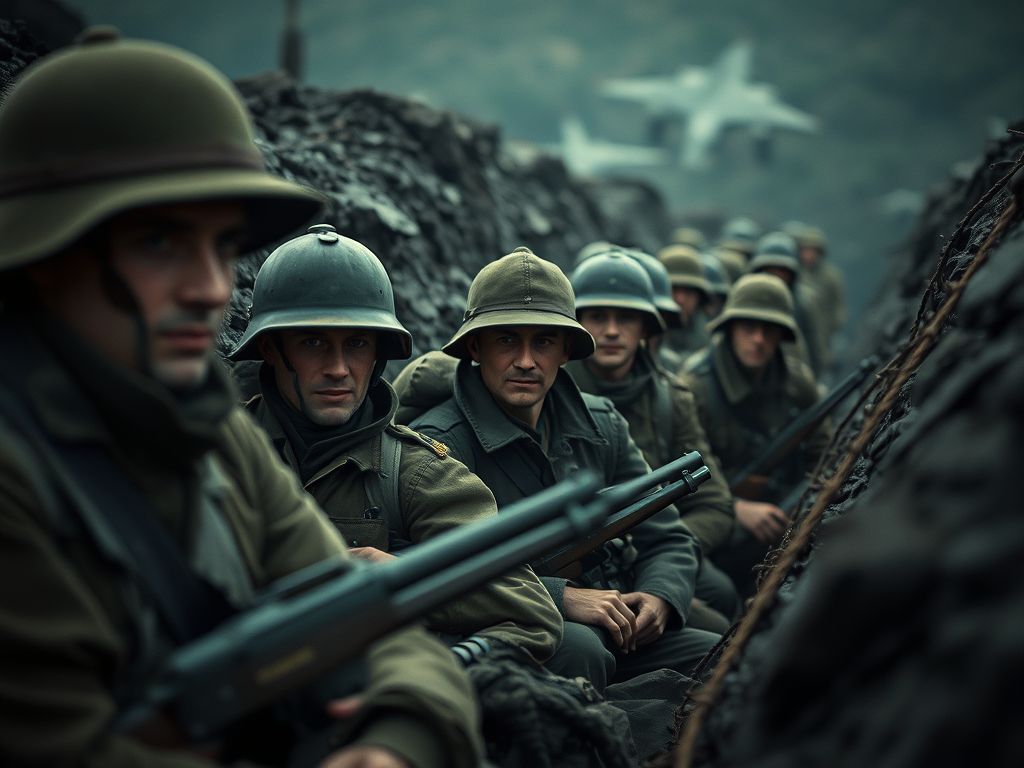
Causes of World War I: Militarism, Alliances and Nationalism provide the essential framework for understanding how a regional dispute in the Balkans escalated into the first global industrial slaughter. World War I, fought between 1914 and 1918, was not a singular event but a systemic collapse. For history students, this topic is a masterclass in how long-term structural tensions and short-term diplomatic failures coalesce into a catastrophe that reshaped the 20th century.
This guide provides an analysis of the M.A.I.N. causes, the tactical shifts of the Great War and the geopolitical fallout that continues to dictate international relations today.
Table of Contents
- The Structural Foundation: Deconstructing the M.A.I.N. Acronym
- Militarism: The Culture of the Arms Race
- The Alliance System: Diplomatic “Tripwires”
- Imperialism: Global Friction and Resentment
- Nationalism: The Disintegration of Empires
- The Sarajevo Spark: A Detailed Timeline of Escalation
- The Nature of Combat: Trench Warfare and Technological Deadlock
- The Turning Point: Global Involvement and the US Entry
- The Human and Social Cost: A Statistics Deep-Dive
- Geopolitical Collapse: The Fall of Four Great Empires
- The Legacy of Versailles: Predicting the Next Conflict
- High-Level Evaluation: Why Did the Peace Fail?
- Exam Mastery with Apollo Scholars
Subscribe to get access
Read more of this content when you subscribe today.
Leave a Reply