
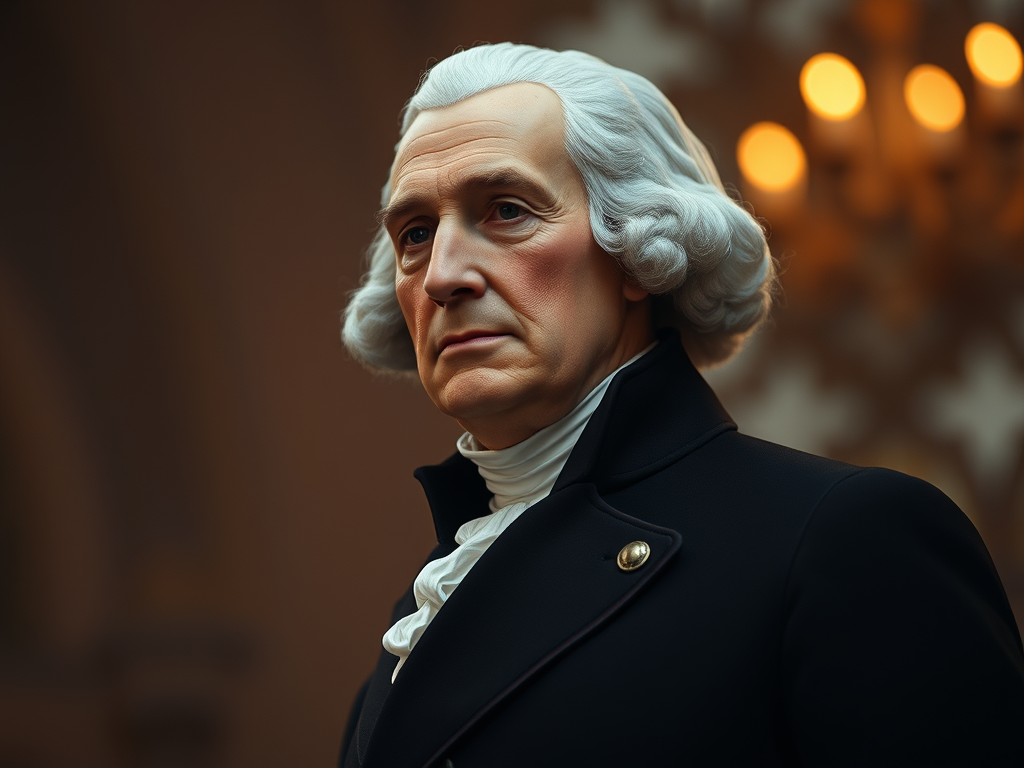
Understanding the key events in American history is essential for GCSE and A-Level students. From the early colonisation of North America to pivotal modern milestones, these historical events shaped the political, social and economic development of the United States. Our comprehensive timeline helps students not only memorise important dates but also analyse the causes, consequences and significance of each event, skills that are vital for exam success.

1492: Christopher Columbus Lands in the Americas
- Columbus’s voyage marks the beginning of European exploration and colonisation, setting the stage for future settlements.

1607: Founding of Jamestown
- The first permanent English settlement in North America is established in Virginia.

1620: Pilgrims Land at Plymouth Rock
- The Pilgrims establish one of the earliest colonies in Massachusetts and sign the Mayflower Compact, an early form of self-governance.

1773: Boston Tea Party
- American colonists protest British taxation by dumping tea into Boston Harbor, escalating tensions with Britain.

1775-1783: American Revolutionary War
- The colonies fight for independence from British rule, culminating in the Treaty of Paris and recognition of the United States.

1776: Declaration of Independence
- The Continental Congress adopts the Declaration on July 4, formally breaking away from Britain.

1787: U.S. Constitution is Written
- The Constitutional Convention drafts the Constitution, establishing the federal government’s framework.

1791: Bill of Rights Ratified
- The first 10 amendments to the Constitution are ratified, guaranteeing fundamental liberties.

1803: Louisiana Purchase
- The U.S. acquires the Louisiana Territory from France, doubling its size and promoting westward expansion.

1848: Seneca Falls Convention
- The first women’s rights convention in the U.S., advocating for women’s suffrage and equal rights.

1861-1865: The American Civil War
- A conflict between the Northern Union and Southern Confederacy over slavery and states’ rights, leading to the abolition of slavery.

1863: Emancipation Proclamation
- President Lincoln declares all slaves in Confederate states to be free, redefining the Civil War’s purpose.

1865: Assassination of Abraham Lincoln
- President Lincoln is assassinated by John Wilkes Booth, just days after the Civil War ends.

1865: 13th Amendment Ratified
- Abolishes slavery throughout the United States.

1898: Spanish-American War
- The U.S. defeats Spain, gaining control of Puerto Rico, Guam, and the Philippines after the sinking of the USS Maine.

1917-1918: U.S. Involvement in World War I
- The U.S. joins the Allies in World War I, contributing to the defeat of the Central Powers.

1920: 19th Amendment Ratified (Women’s Suffrage)
- Grants women the right to vote after decades of suffrage movement activism.

1929: The Great Depression Begins
- The U.S. stock market crash triggers a severe economic downturn, leading to widespread poverty and unemployment.

1933: New Deal Legislation Begins
- President Franklin D. Roosevelt implements reforms, including the New Deal, to combat the Great Depression.

1941: Attack on Pearl Harbour
- Japan’s surprise attack on Pearl Harbour leads the U.S. to enter World War II.

1945: End of World War II
- The Allies’ victory in World War II establishes the U.S. as a global superpower.

1950-1953: The Korean War
- The U.S. intervenes in Korea to stop the spread of communism, fighting alongside South Korea against North Korean and Chinese forces.

1954: Brown v. Board of Education
- The Supreme Court declares segregation in public schools unconstitutional, sparking the modern Civil Rights Movement.

1955: Rosa Parks and the Montgomery Bus Boycott
- Rosa Parks refuses to give up her bus seat, leading to a city-wide boycott and igniting the Civil Rights Movement.

1963: Martin Luther King Jr.’s “I Have a Dream” Speech
- Delivered during the March on Washington, King’s speech calls for racial equality and justice.

1963: Assassination of John F. Kennedy
- President John F. Kennedy is assassinated in Dallas, Texas, shocking the nation.

1964: Civil Rights Act Passed
- Ends segregation in public places and bans employment discrimination based on race, colour, religion, sex, or national origin.

1965: Assassination of Malcolm X
- Malcolm X, a prominent civil rights activist, is assassinated in New York City.

1965: Voting Rights Act Passed
- Prohibits racial discrimination in voting, securing voting rights for minorities.

1968: Assassination of Martin Luther King Jr.
- Civil rights leader Martin Luther King Jr. is assassinated in Memphis, Tennessee, prompting national mourning and riots.

1968: Assassination of Robert F. Kennedy
- Senator Robert F. Kennedy, a presidential candidate and civil rights advocate, is assassinated in Los Angeles.

1973: Roe v. Wade Decision
- The Supreme Court rules that the Constitution protects a woman’s right to choose to have an abortion.

1980: Election of Ronald Reagan
- Marks a conservative shift in U.S. politics, focusing on reducing government size and increasing military spending.

1991: End of the Cold War
- The Soviet Union collapses, ending decades of Cold War tensions and leaving the U.S. as the sole superpower.

2001: September 11 Attacks
- Terrorist attacks on the World Trade Center and the Pentagon lead to the U.S. War on Terror.

2008: Election of Barack Obama
- Barack Obama becomes the first African American president, a significant milestone in American civil rights history.

2020: COVID-19 Pandemic
- The global pandemic affects millions in the U.S., leading to public health challenges and economic impacts.
How Apollo Scholars Can Help
Whether your child is preparing for GCSE or A-Level history exams, Apollo Scholars offers personalised support to help them understand American history in depth. With tailored tuition, weekly progress tracking and exam-focused analysis, students can build confidence, master key concepts and apply their knowledge effectively.
Book an online session today and unlock exclusive resources in our Store to ensure your child is fully prepared for success.
Leave a Reply