
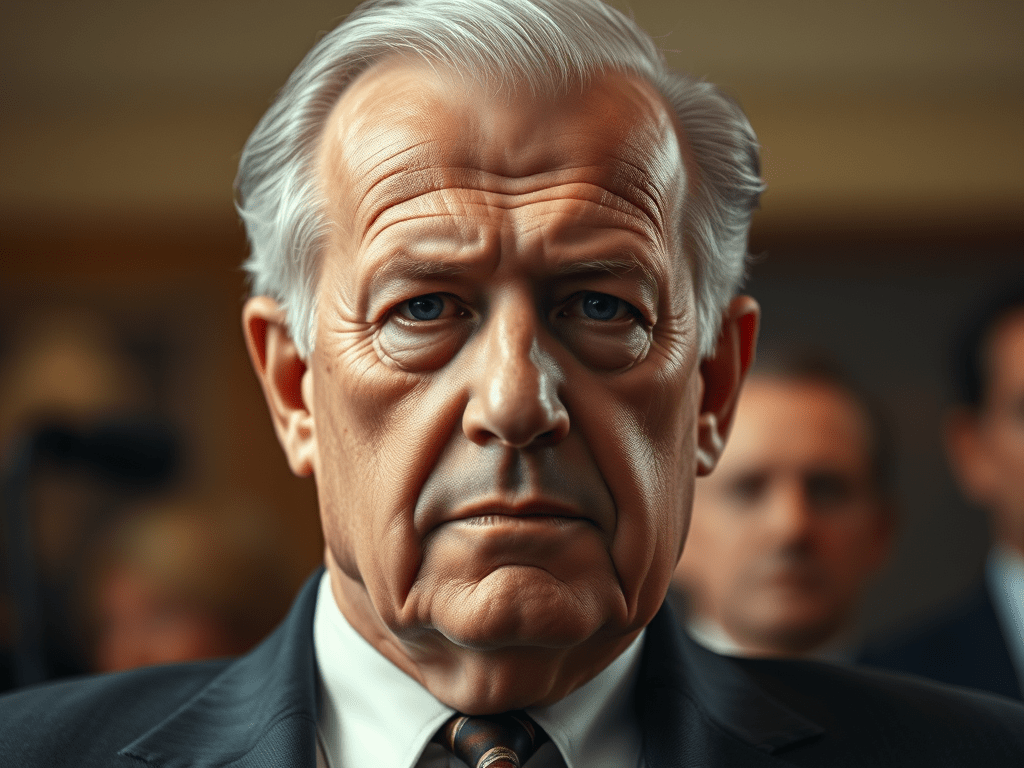
In the chronicles of American history, few presidencies illustrate the complexities and burdens of leadership as vividly as Lyndon B. Johnson’s. Ascending to the 36th President of the United States after the assassination of John F. Kennedy in 1963, Johnson inherited not only the mantle of leadership. He also inherited a nation engulfed in political and social turmoil. His presidency was marked by monumental achievements. Particularly his transformative domestic policies known as the “Great Society.” However, it was also overshadowed by the devastating Vietnam War. The conflict epitomised the phrase, “Uneasy lies the head that wears the crown.”
Follow us on Instagram, Facebook and LinkedIn.
Inheriting a Legacy of Hope and Uncertainty
When Lyndon B. Johnson took office, America found itself at a critical juncture. The young and charismatic John F. Kennedy had inspired a nation while leaving it deeply divided. The civil rights movement was gaining momentum, the Cold War loomed large, and social and economic inequality simmered. Johnson was a seasoned legislator from his years in the Senate. He now faced the daunting challenge of carrying forward Kennedy’s unfinished agenda. He embodied both hope and unresolved issues.
Initially, Johnson seemed poised to honour Kennedy’s legacy with notable success. He championed significant civil rights reforms. These included the Civil Rights Act of 1964 and the Voting Rights Act of 1965. He dismantled institutional racism in many parts of the United States. These acts became landmark achievements in the fight for equality. His ambitious “Great Society” initiatives aimed at eradicating poverty and expanding education promised a brighter future. For a moment, it appeared his presidency would be characterised by social progress and transformation.
However, this progress came at a cost. Johnson’s reforms alienated Southern Democrats, leading to a shift in the political landscape that diminished his political capital. More critically, the escalating conflict in Vietnam would soon eclipse his domestic accomplishments and define his presidency.
Related | The Cold War: Origins, Impact and Legacy
The Vietnam War: A Heavier Crown
Johnson envisioned a presidency marked by social reform. He quickly found himself consumed by the Vietnam War. This conflict demanded much of his focus and energy. Initially framed as a manageable Cold War conflict, Vietnam escalated into a costly and bloody engagement during Johnson’s administration. The conflict had roots in prior administrations. Johnson significantly intensified American involvement. He was convinced that failing to contain communism in Southeast Asia would have dire global repercussions.
Despite growing opposition from Congress, the public, and even some within his own administration, Johnson became ensnared. He was caught in the political and military complexities of the war. As U.S. commitment to Vietnam deepened, it became clear that achieving a definitive victory was increasingly elusive. Johnson’s infamous “credibility gap” widened as public trust in the government’s optimistic assessments eroded. Graphic images of war casualties and destruction flooded American living rooms. These images fuelled a powerful anti-war movement that Johnson struggled to suppress.
As protests grew louder, Johnson’s presidency faced intensified scrutiny. The very policies that had garnered him acclaim for his domestic agenda now faded. They were overshadowed by perceived mismanagement of the war. This left him politically isolated and drained. Johnson faced an internal struggle. He had to balance a vision for peace at home with the devastation of war abroad. This made the burdens of leadership weigh heavier on Johnson with each passing day.
The Personal Toll: A President Under Siege
The immense weight of the presidency affected Johnson on a deeply personal level. Known for his relentless work ethic, he had previously thrived on power and influence. However, the Vietnam War eroded his political capital, strained his relationships and took a severe toll on his health. The president had once navigated the Senate with charm and persuasion. Now, he found himself increasingly isolated from both his party and the American people.
As discontent simmered, Johnson often retreated to his Texas ranch, grappling with the direction of his presidency. Navigating the dual burdens of war and reform became increasingly challenging. He realised that the Vietnam War had transformed his administration into a battleground, both domestically and internationally. By 1968, the political climate had become so hostile. Johnson made the unexpected decision not to seek re-election. He announced in a televised address: “I shall not seek another term as your President. I will not accept the nomination of my party.”
This announcement marked the end of Johnson’s presidency. It symbolised the crushing weight of the crown he had worn for five tumultuous years. Once celebrated as the architect of the Great Society, he left office with a legacy fraught with contradictions. His legacy was torn between domestic triumphs and foreign policy failures. The Vietnam War had not only drained America’s resources and shattered national confidence; it had also irrevocably changed Johnson’s reputation.
Legacy: A Crown Heavy with Contradictions
Lyndon B. Johnson’s presidency remains a study in contrasts. His ambitious legislative agenda permanently reshaped American society, improving the lives of millions and advancing the cause of civil rights. Medicare, Medicaid and public broadcasting laid the groundwork for a more equitable nation. For these achievements, Johnson is remembered as one of the most effective domestic reformers in American history.
Yet, despite his domestic successes, Johnson’s legacy is inextricably linked to the quagmire of Vietnam. His decision to escalate the war, coupled with his inability to achieve a satisfactory resolution, marred his reputation. Historians continue to debate whether Johnson’s vision for a Great Society could have fully realised its potential. They question if it would have happened had it not been for the war that consumed his attention and resources.
Ultimately, Johnson’s presidency serves as a vivid illustration of the burdens of leadership. It shows how the aspirations of a leader can be derailed by external forces. The phrase “Uneasy lies the head that wears the crown” resonates profoundly in Johnson’s experience. The crown he bore was weighed down by the hopes of a nation in turmoil. It was also weighed down by the complexities of global conflict and the personal toll of leading during uncertain times.
How Apollo Scholars Can Help
At Apollo Scholars, we are dedicated to providing tailored tutoring services that empower students to excel in their academic pursuits. We offer personalised support that caters to each student’s unique learning needs. Our one-on-one online and in-person tutoring sessions are designed to build confidence. Located in areas such as Addlestone, Byfleet and Weybridge, we offer flexible tutoring options that fit seamlessly into your schedule. With Apollo Scholars, students not only gain academic knowledge. They also develop essential study skills.
Related | Five signs your child could benefit from extra tutoring
Book your online or in-person history tuition session with Apollo Scholars here.
Unlock our exclusive resources in our Mission Control hub.


Leave a comment