
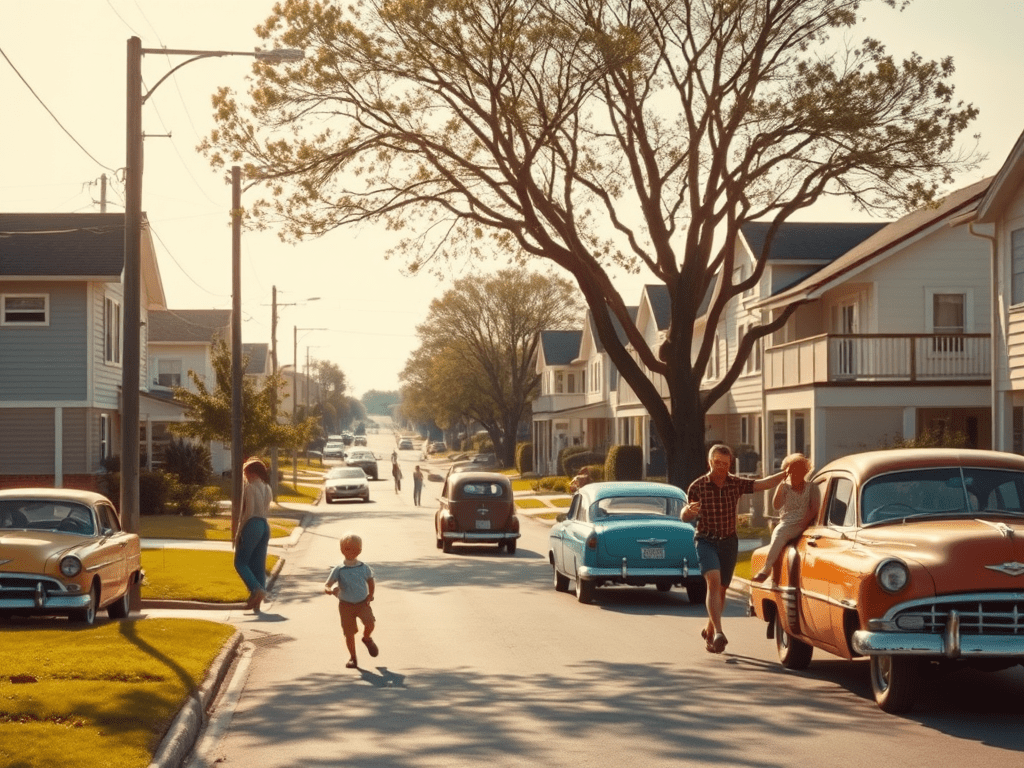
The years following the Second World War brought remarkable change to the United States. Economically, socially and politically, the country emerged from the conflict as a global superpower. Domestically, a booming economy transformed the lives of millions, while the Cold War began to shape both foreign and domestic policies.
For A-Level history students, understanding this period is vital for tracing how America shifted from wartime mobilisation to consumer prosperity and how international tensions influenced life at home.
FAQs: Post-War America – From Rebuilding to Prosperity
What period does “Post-War America” refer to in this context?
It spans from the end of the Civil War (1865) through the years after World War II, tracing America’s recovery, growth and transformation.
How did reconstruction shape post-war America?
Reconstruction rebuilt the South, integrated formerly enslaved people into society, and redefined the nation’s political and social structures, though with lasting challenges.
What changes ocurred in the early 20th century?
The U.S. saw industrial growth, urbanisation, Progressive reforms and increased global influence through wars and diplomacy.
What was the “consumer boom” after World War 2?
The post-1945 economic surge brought higher wages, suburban expansion, new technologies and a mass consumer culture that reshaped daily life.
How did America’s role in the world change during this time?
The U.S. emerged as a global superpower, influencing international politics, economics and culture in the postwar order.
Subscribe to get access
Read more of this content when you subscribe today.


Leave a reply to The American Century: How the United States Shaped the 20th Century – Apollo Scholars Cancel reply