

Who Was Robert F. Kennedy? Early Life, Family and Education
Robert Francis Kennedy, known as Bobby Kennedy, was born on 20 November 1925 in Brookline, Massachusetts, the seventh of nine children in the influential Kennedy family. His father, Joseph P. Kennedy Sr., was a prominent businessman, diplomat and political figure, while his mother, Rose Fitzgerald Kennedy, emphasised public service, education and moral values.
Bobby grew up in a household combining privilege, ambition and high expectations. He attended Harvard University, studying government and political science, and earned a law degree from the University of Virginia School of Law. During World War II, he served in the United States Navy, gaining discipline and leadership experience that would shape his approach to public service.
Bobby’s relationships with his brothers shaped his life: he was a trusted adviser and campaign manager for John F. Kennedy, and a mentor to his younger brother Ted Kennedy, who would later continue the family’s political legacy. His intensity, determination and moral purpose became defining traits of his career.
What Did Bobby Kennedy Achieve as Attorney General?
At age 35, Bobby Kennedy was appointed Attorney General of the United States (1961–1964) by his brother, President John F. Kennedy. He quickly gained a reputation for moral courage, dogged determination and bold leadership, even amid controversy about his youth and family connections.
Civil Rights Leadership
Kennedy became an important figure in advancing civil rights:
- He sent federal marshals to protect Freedom Riders travelling through the South.
- He ordered federal troops to accompany James Meredith, the first Black student at the University of Mississippi, amid violent protests.
- He advocated for legislation that contributed to the Civil Rights Act of 1964, strengthening voting rights and ending segregation.
Kennedy’s approach evolved from cautious to assertive as he recognised the need for federal authority to uphold justice and equality.
Battles Against Organised Crime and Jimmy Hoffa
Kennedy was also known for his aggressive pursuit of organised crime:
- Increased federal prosecutions against Mafia leaders and corrupt networks.
- Led high-profile legal confrontations with Jimmy Hoffa, leader of the Teamsters Union.
- Established long-term federal oversight strategies and accountability measures.
Kennedy’s determination in these cases earned him both respect and dangerous enemies.
Cold War and Policy Involvement
During the Kennedy administration, Bobby also played a role in critical Cold War decisions, including the Cuban Missile Crisis. While his primary focus was domestic law enforcement and civil rights, he understood that global events required careful strategic thinking and coordination with military and diplomatic leaders.
What Were Bobby Kennedy’s Major Accomplishments as a Senator?
Following the assassination of his brother John F. Kennedy in November 1963, Bobby Kennedy was elected US Senator for New York in 1965. Driven by a deep sense of public duty and a desire to continue his brother’s vision, he dedicated his time in the Senate to social justice, civil rights and anti-poverty initiatives, working tirelessly to give a voice to marginalised communities and address inequality across the nation.
- He visited inner-city neighbourhoods, rural communities and Native American reservations to highlight economic inequality.
- He advocated for affordable housing, education access and healthcare.
- He criticised the Vietnam War, urging negotiation and caution over military escalation.
His approach combined legislative skill with personal engagement, directly connecting with the communities he represented.
What Were Bobby Kennedy’s Most Famous Speeches?
Indianapolis Speech on Martin Luther King Jr.’s Assassination (April 1968)
Kennedy urged calm and unity:
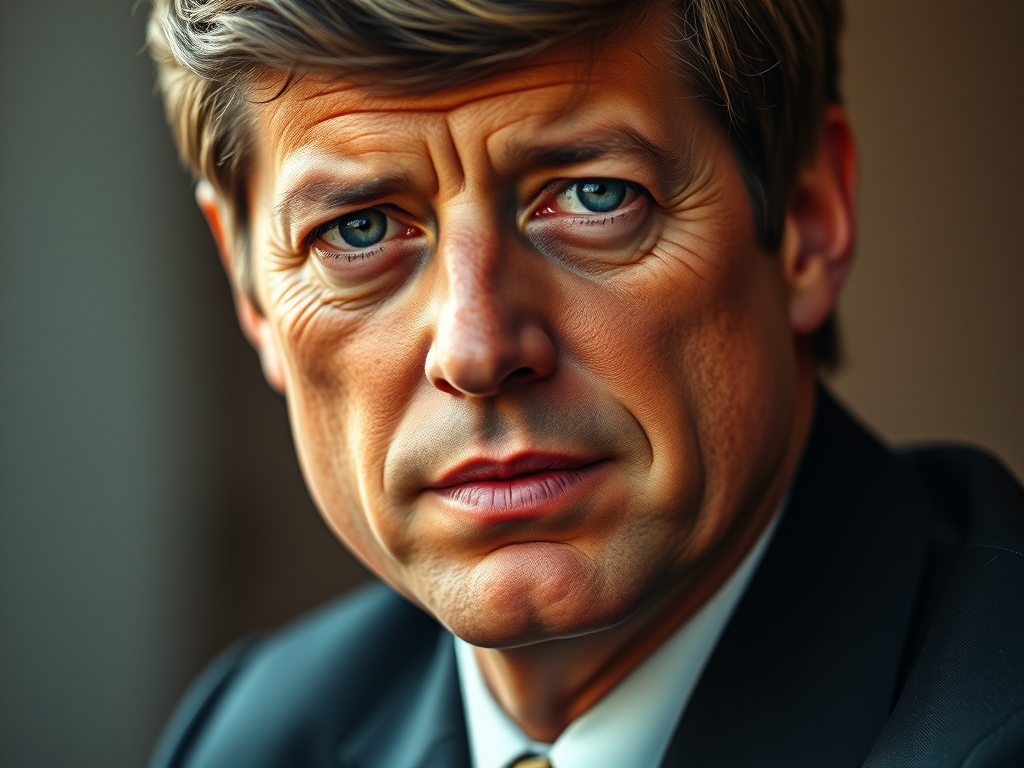
“What we need in the United States is not division… but love and wisdom, and compassion toward one another, and a feeling of justice toward those who still suffer within our country.”
Robert F. Kennedy
This speech helped prevent riots in Indianapolis, showcasing his empathy and leadership.
Tribute to John F. Kennedy at the 1964 Democratic National Convention
He honoured his late brother with a moving speech:
“When he shall die, take him and cut him out in little stars, and he will make the face of heaven so fine that all the world will be in love with night.”
Robert F. Kennedy
(Quoting Shakespeare’s Romeo and Juliet)
Mindless Menace of Violence Speech
Kennedy highlighted structural violence and social inequality:
“This is the violence of institutions; indifference, inaction and decay. This is the slow destruction of a child by hunger, and schools without books.”
Robert F. Kennedy
How Did Bobby Kennedy Navigate Personal and Political Relationships?
- John F. Kennedy: Bobby served as JFK’s closest adviser and protector.
- Ted Kennedy: He mentored his younger brother, shaping the Kennedy political legacy.
- Martin Luther King Jr.: His civil rights work strengthened connections with movement leaders.
- Jimmy Hoffa and Organised Crime Figures: Legal confrontations reflected his willingness to challenge entrenched power.
These relationships show Bobby’s ability to balance loyalty, moral commitment and political strategy.
Why Was Bobby Kennedy Called the President America Never Had?
In March 1968, Kennedy announced his candidacy for the Democratic presidential nomination. Amid civil unrest, the Vietnam War and social inequality, he offered hope, unity and justice:
- Won key primaries, including California, building a coalition of young voters, minorities and working-class Americans.
- Advocated for peace, civil rights and anti-poverty initiatives.
Tragically, on 5 June 1968, shortly after his California primary victory, Robert F. Kennedy was assassinated in Los Angeles while celebrating his win. His death shocked the nation and cut short a campaign that many believed could have fundamentally reshaped American history. This tragedy cemented his legacy as the “president America never had” and highlighted the risks faced by public figures advocating for social change during a turbulent era.
What Is Bobby Kennedy’s Legacy and Impact Today?
Bobby Kennedy’s influence continues:
- Civil Rights: Advanced equality and voting rights.
- Justice and Anti-Corruption: Strengthened federal oversight and prosecution of organized crime.
- Anti-Poverty Advocacy: Brought national attention to marginalized communities.
- Moral Leadership: His speeches continue to inspire civic engagement, empathy, and activism.

“Robert F. Kennedy’s life reminds us that leadership is measured not only by the office we hold, but by the courage we show, the injustices we confront and the hope we inspire in others. From his tireless work for civil rights and social justice to his unwavering commitment to the poor and marginalised, Bobby Kennedy exemplified the power of moral conviction in action. His speeches, his vision and his compassion continue to inspire generations to stand up for what is right, to seek knowledge and to engage in the world with empathy and courage. For young people today, his story is a call to explore, to learn and to lead with both heart and purpose.”
Matt
Founder, Apollo Scholars
Kennedy’s life demonstrates that principled action and moral courage are as important as political office in shaping society.
Robert F. Kennedy’s Key Quotes
“Some men see things as they are and say why; I dream things that never were and say, why not.”
Robert F. Kennedy, quoting George Bernard Shaw, Back to Methuselah (1921), during his 1968 presidential campaign.
“What we need in the United States is not division… but love and wisdom, and compassion toward one another, and a feeling of justice toward those who still suffer within our country.“
Robert F. Kennedy, remarks in Indianapolis following the assassination of Martin Luther King Jr., April 4, 1968
“When he shall die, take him and cut him out in little stars, and he will make the face of heaven so fine that all the world will be in love with night.”
William Shakespeare, Romeo and Juliet (Act 3, Scene 2), quoted by Robert F. Kennedy in his tribute to President John F. Kennedy at the Democratic National Convention, August 1964
“If by a ‘liberal’ they mean someone who looks ahead and not behind, someone who welcomes new ideas without rigid reactions… then I’m proud to say I’m a liberal.”
John F. Kennedy, address at the New York Liberal Party Dinner, September 14, 1960; later echoed by Robert F. Kennedy in defence of liberal values.
“This is the violence of institutions; indifference, inaction, and decay. This is the slow destruction of a child by hunger, and schools without books.”
Robert F. Kennedy, Day of Affirmation Address (“Ripple of Hope”), University of Cape Town, South Africa, June 6, 1966.
Revision Box: Key Facts for Students
| Category | Information |
|---|---|
| Full Name | Robert Francis Kennedy |
| Born | 20 November 1925, Brookline, Massachusetts |
| Died | 5 June 1968, Los Angeles, California (assassinated) |
| Political Offices | US Attorney General (1961–1964), US Senator (1965–1968) |
| Major Achievements | Civil rights enforcement, anti-Mafia campaigns, anti-poverty initiatives, Vietnam War opposition |
| Key Speeches | Indianapolis speech (MLK), JFK DNC tribute, Mindless Menace of Violence speech |
| Political Party | Democratic |
| Famous Battles | Organised crime, Jimmy Hoffa, civil rights struggles |
| Legacy | Inspired social justice, moral leadership, civic engagement |
Further Reading and Biography
- “Robert Kennedy: His Life” by Evan Thomas – Comprehensive biography covering RFK’s political career, personal life and speeches.
- “Bobby Kennedy: A Raging Spirit” by Chris Matthews – Explores Kennedy’s activism, moral leadership and presidential campaign.
- “A Raging Spirit: Bobby Kennedy’s Last Campaign” by John R. Bohrer – A vivid account of Robert F. Kennedy’s 1968 presidential campaign, capturing his passion, resilience and the ideals that defined his final months.


Leave a comment