
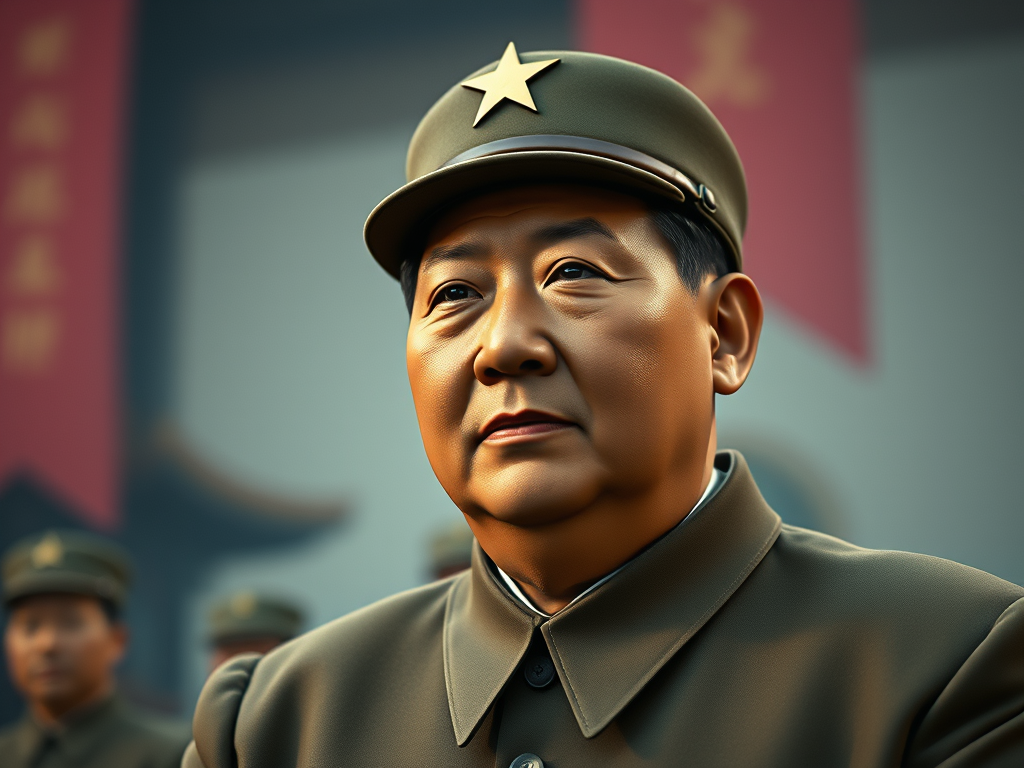
In 1949, a long and brutal conflict reached its decisive conclusion when Mao Zedong stood in Beijing and declared the founding of the People’s Republic of China. The victory of the Chinese Communist Party did not simply end the Chinese Civil War, it reshaped global politics, transformed one of the world’s oldest civilisations and altered the balance of power during the twentieth century.
For students studying modern history, politics, international relations, or revolutionary movements, the Chinese Civil War offers far more than a timeline of battles. It reveals how ideology, leadership, social inequality and wartime strategy can combine to overturn an entire political order.
Understanding Mao’s rise to power helps explain modern China itself, its political structure, national identity and relationship with the wider world.
Subscribe to get access
Read more of this content when you subscribe today.
Leave a Reply