
Introduction
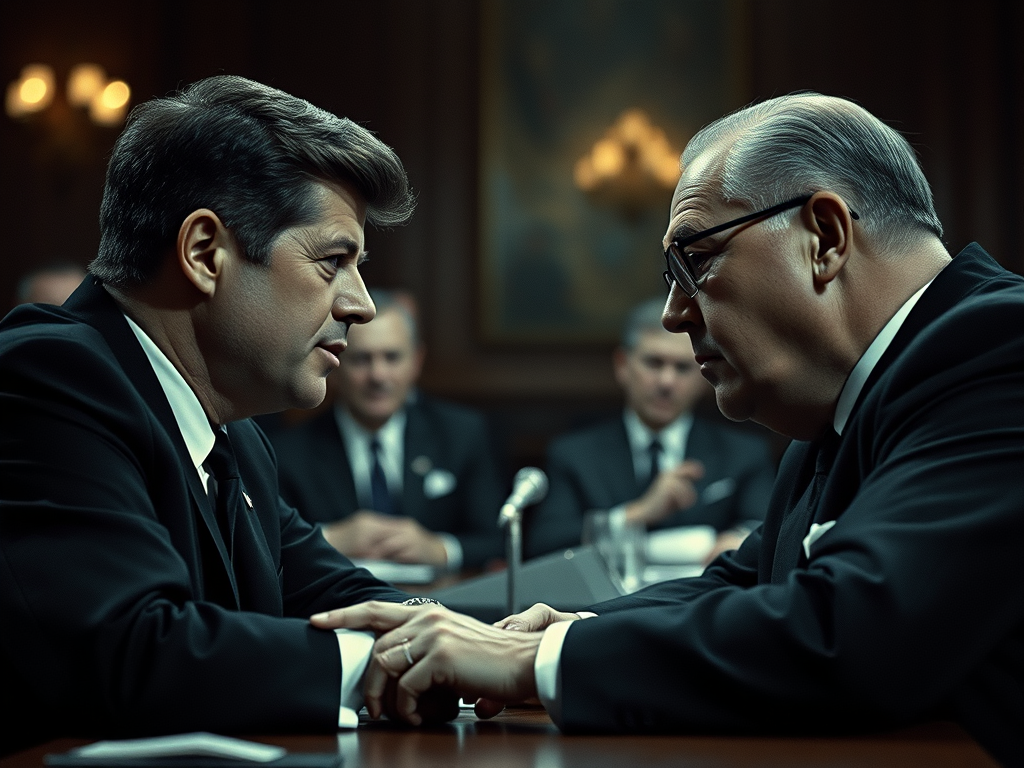
The Vienna Summit of 1961 was a pivotal moment in Cold War history. Held on 3-4 June 1961, it brought together U.S. President John F. Kennedy and Soviet Premier Nikita Khrushchev for the first time since Kennedy’s inauguration. The summit occurred at a time of escalating tensions: the Berlin Crisis, the aftermath of the Bay of Pigs invasion and the nuclear arms race.
For students of modern history, the Vienna Summit of 1961 is a vital case study. It highlights leadership under pressure, the interplay between ideology and strategy and the causes of major Cold War confrontations. This guide will provide a comprehensive analysis, evaluation and exam-focused insight, enabling students to understand:
- The context and causes of the summit
- The key discussions and disagreements
- The short-term and long-term consequences
- The historical significance and evaluation of Kennedy and Khrushchev’s leadership
Subscribe to get access
Read more of this content when you subscribe today.
Leave a Reply