
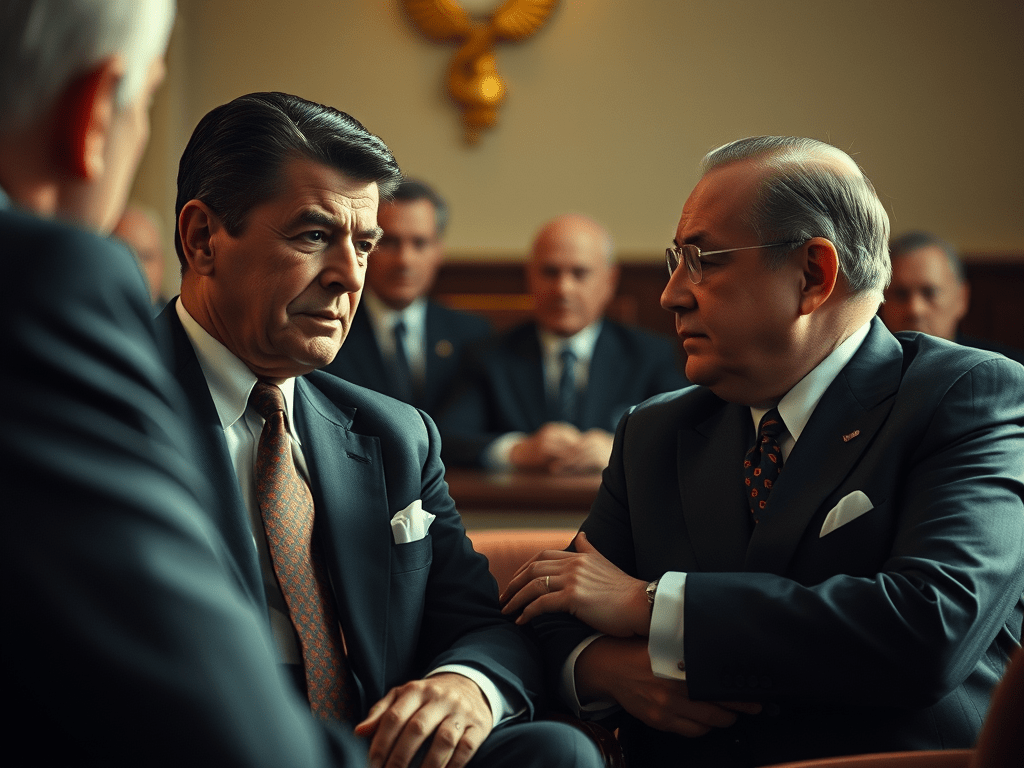
The Cold War lasted over four decades. It was primarily characterised by tension and suspicion. There was also the threat of nuclear war between the United States and the Soviet Union. However, from 1963 to 1979, a noticeable shift occurred. The period moved from heightened confrontation, known as brinkmanship. It transitioned to cautious cooperation, often referred to as détente. This era marks a critical moment in Cold War history. Both superpowers aimed to ease tensions. They also managed their global influence.
In this blog, we will explore the factors that led to this shift from brinkmanship to détente. We will also discuss the key diplomatic milestones. Furthermore, we will examine how this period impacted Cold War politics globally. A-Level History students will find this topic essential. They need to understand how diplomacy shaped a significant part of 20th-century international relations, rather than warfare.
Follow us on Instagram, Facebook and LinkedIn.
Here are some frequently asked questions. They provide additional insights into the complexities of the détente period during the Cold War. This period spans from 1963 to 1979.
What is brinkmanship in the context of the Cold War?
Brinkmanship involves pushing a situation to the verge of conflict to gain an advantage. The Cuban Missile Crisis in 1962 exemplified this practice.
What does détente mean in Cold War history?
Détente refers to the easing of tensions between the U.S. and Soviet Union from 1963 to 1979, characterised by arms control agreements and diplomatic cooperation.
What were the SALT treaties?
The SALT (Strategic Arms Limitation Talks) treaties were agreements between the U.S. and Soviet Union to limit the production of nuclear weapons and curb the arms race.
What was the significance of the Helsinki Accords?
The Helsinki Accords were signed in 1975. They were an important diplomatic agreement promoting human rights. They also encouraged economic cooperation and security in Europe. These accords furthered East-West relations.
Why did détente decline by the end of the 1970s?
Détente ended largely due to the Soviet invasion of Afghanistan in 1979 and renewed military build-up by the U.S., which reignited Cold War tensions.
How can understanding détente help A-Level history students?
Studying détente offers key insights into Cold War diplomacy. It showcases how rival superpowers managed to avoid war. They maintained peace through negotiation and arms control.
How can Apollo Scholars help with Cold War history topics?
Apollo Scholars provides expert tutoring for A-Level and GCSE History. They offer personalised lessons and support on key topics. These topics include the Cold War, brinkmanship, and détente.
Subscribe to get access
Read more of this content when you subscribe today.


Leave a reply to America as a Global Superpower: Challenges and Changes by 1975 – Apollo Scholars Cancel reply