
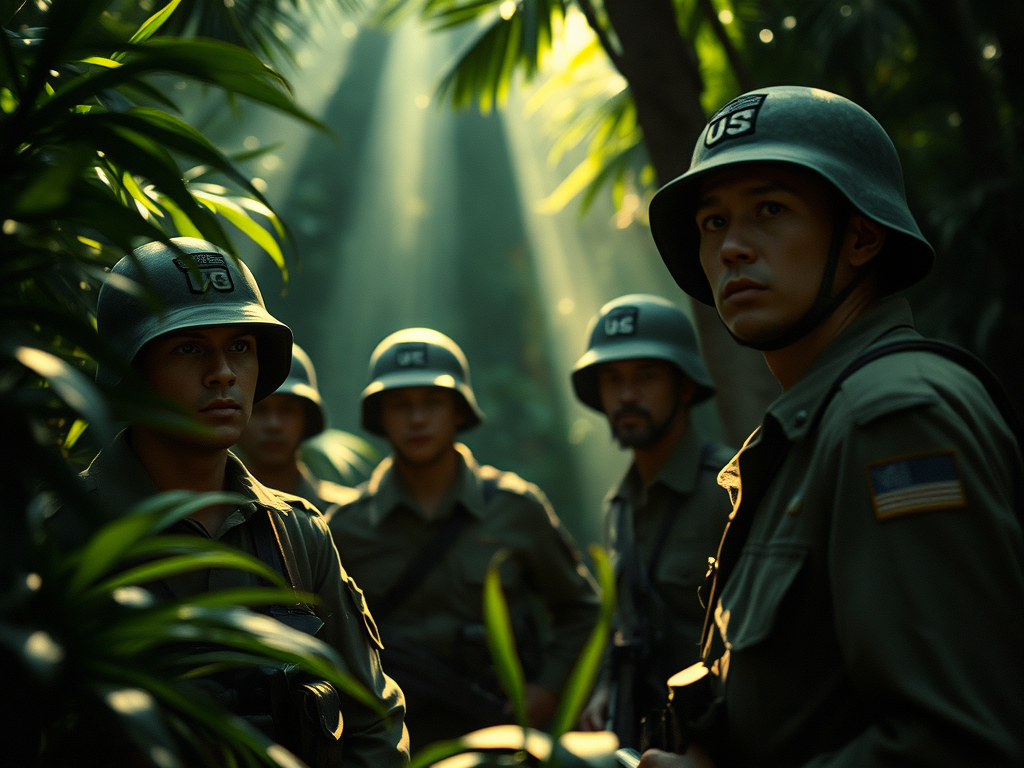
The Vietnam War is often remembered as one of the most controversial and devastating conflicts in modern U.S. history. Lasting from 1963 to 1975, it became a symbol of Cold War tensions and domestic upheaval in the United States. Presidents Lyndon B. Johnson and Richard Nixon played pivotal roles in escalating the war. They managed the war, which profoundly affected American politics, society and the broader Cold War strategy.
Follow us on Instagram, Facebook and LinkedIn.
Here are some frequently asked questions. They will help you better understand the Vietnam War. You will also learn about its significance during the Cold War era.
What caused the Vietnam War?
The Vietnam War was rooted in Cold War tensions, with the U.S. seeking to stop communism from spreading in Southeast Asia. Meanwhile, North Vietnam aimed to reunify the country under communist rule.
What was the Gulf of Tonkin Resolution?
The Gulf of Tonkin Resolution, passed in 1964, gave President Lyndon B. Johnson broad military powers in Vietnam, leading to the escalation of U.S. involvement in the war.
Why was the Tet Offensive a turning point in the Vietnam War?
The Tet Offensive was a military defeat for North Vietnam. However, it shocked the American public. This led to increased anti-war sentiment. It also eroded confidence in the U.S. government’s handling of the war.
What was Nixon’s policy of Vietnamisation?
Vietnamisation was Nixon’s strategy to reduce U.S. troop involvement by training and equipping South Vietnamese forces to take over the fighting, while gradually withdrawing American forces.
What were the long-term effects of the Vietnam War on the U.S.?
The Vietnam War led to deep political and social divisions in the U.S., contributed to the rise of the anti-war movement. It created a lasting reluctance to engage in foreign conflicts. This reluctance is known as the “Vietnam Syndrome.”
Subscribe to get access
Read more of this content when you subscribe today.
Leave a Reply to The Turbulent Sixties: Civil Rights, Culture and Cold War Crises – Apollo ScholarsCancel reply