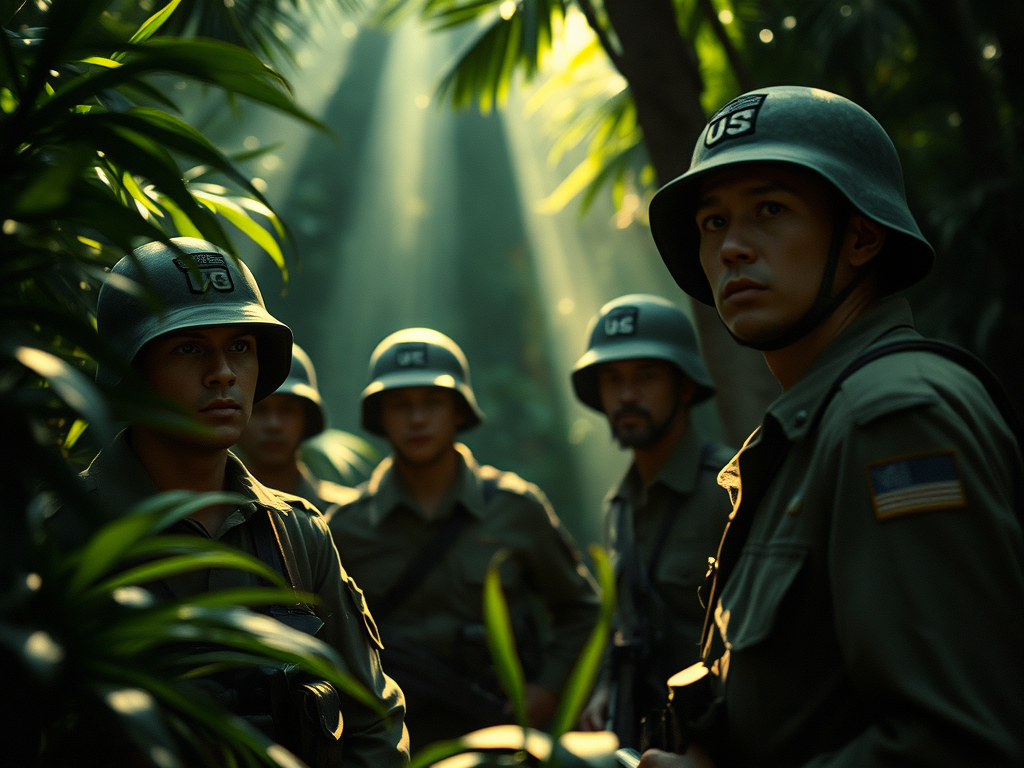
The Vietnam War: America’s Quagmire in Southeast Asia (1963–1975)

The Vietnam War is often remembered as one of the most controversial and devastating conflicts in modern U.S. history. Lasting from 1963 to 1975, it became a symbol of Cold War tensions and domestic upheaval in the United States. Presidents Lyndon B. Johnson and Richard Nixon played pivotal roles in escalating the war. They managed the war, which profoundly affected American politics, society and the broader Cold War strategy.

Follow us on InstagramFacebook and LinkedIn.

Here are some frequently asked questions. They will help you better understand the Vietnam War. You will also learn about its significance during the Cold War era.

What caused the Vietnam War?

The Vietnam War was rooted in Cold War tensions, with the U.S. seeking to stop communism from spreading in Southeast Asia. Meanwhile, North Vietnam aimed to reunify the country under communist rule.

What was the Gulf of Tonkin Resolution?

The Gulf of Tonkin Resolution, passed in 1964, gave President Lyndon B. Johnson broad military powers in Vietnam, leading to the escalation of U.S. involvement in the war.

Why was the Tet Offensive a turning point in the Vietnam War?

The Tet Offensive was a military defeat for North Vietnam. However, it shocked the American public. This led to increased anti-war sentiment. It also eroded confidence in the U.S. government’s handling of the war.

What was Nixon’s policy of Vietnamisation?

Vietnamisation was Nixon’s strategy to reduce U.S. troop involvement by training and equipping South Vietnamese forces to take over the fighting, while gradually withdrawing American forces.

What were the long-term effects of the Vietnam War on the U.S.?

The Vietnam War led to deep political and social divisions in the U.S., contributed to the rise of the anti-war movement. It created a lasting reluctance to engage in foreign conflicts. This reluctance is known as the “Vietnam Syndrome.”

Subscribe to get access

Read more of this content when you subscribe today.


Discover more from Apollo Scholars

Subscribe to get the latest posts sent to your email.

Responses

  1. The Cold War: A Comprehensive Overview of Key Events and Turning Points – Apollo Scholars Avatar

    […] Mikhail Gorbachev’s reforms of glasnost and perestroika were significant. They, combined with economic pressures and the collapse of the Eastern Bloc, brought about the end of the Cold War. Learn more about his role in the final years of the Cold War here. […]

    Like

  2. America as a Global Superpower: Challenges and Changes by 1975 – Apollo Scholars Avatar

    […] American military and economic might remained formidable, political scandals, social unrest, and a costly war abroad had eroded public trust. Richard Nixon’s presidency (1969–1974) embodied these contradictions: bold diplomatic […]

    Like

  3. The Turbulent Sixties: Civil Rights, Culture and Cold War Crises – Apollo Scholars Avatar

    […] The 1960s in the United States were a decade of seismic change, social upheaval and political tension. Across the nation, citizens challenged entrenched inequalities, questioned traditional authority and demanded both social justice and global responsibility. Civil rights campaigns, youth activism, feminist awakening and the counterculture movement coincided with Cold War pressures and the intensifying Vietnam War. […]

    Like

  4. War Photographer by Carol Ann Duffy: GCSE & A-Level English Analysis – Apollo Scholars Avatar

    […] children in a nightmare heat.”Likely an allusion to famous photographs of children affected by the Vietnam War. The imagery conveys the horror of war through the innocence and suffering of its youngest […]

    Like

  5. The President America Never Had: Robert F. Kennedy – Apollo Scholars Avatar

    […] criticised the Vietnam War, urging negotiation and caution over military […]

    Like

  6. The American Century: How the United States Shaped the 20th Century – Apollo Scholars Avatar

    […] Korean and Vietnam Wars: Demonstrated the limits and costs of military intervention, offering lessons in strategy and […]

    Like

  7. The Global Queen: Elizabeth II, Diplomacy and the Commonwealth – Apollo Scholars Avatar

    […] social unrest and Vietnam protests, the Queen’s meeting with Nixon demonstrated her gift for remaining above […]

    Like

  8. Kennedy Assassination: November 22, 1963 – How It Changed America – Apollo Scholars Avatar

    […] far beyond his lifetime, shaping everything from the struggle for civil rights to the course of the Vietnam War. His words still remind us that leadership is not about how long one serves, but how deeply one’s […]

    Like

Leave a reply to The President America Never Had: Robert F. Kennedy – Apollo Scholars Cancel reply

Discover more from Apollo Scholars

Don't miss out! Subscribe now to be the first to read our latest content.

Continue reading